
Industrial Drum Mixers: Types, Uses, and How to Choose the Right One
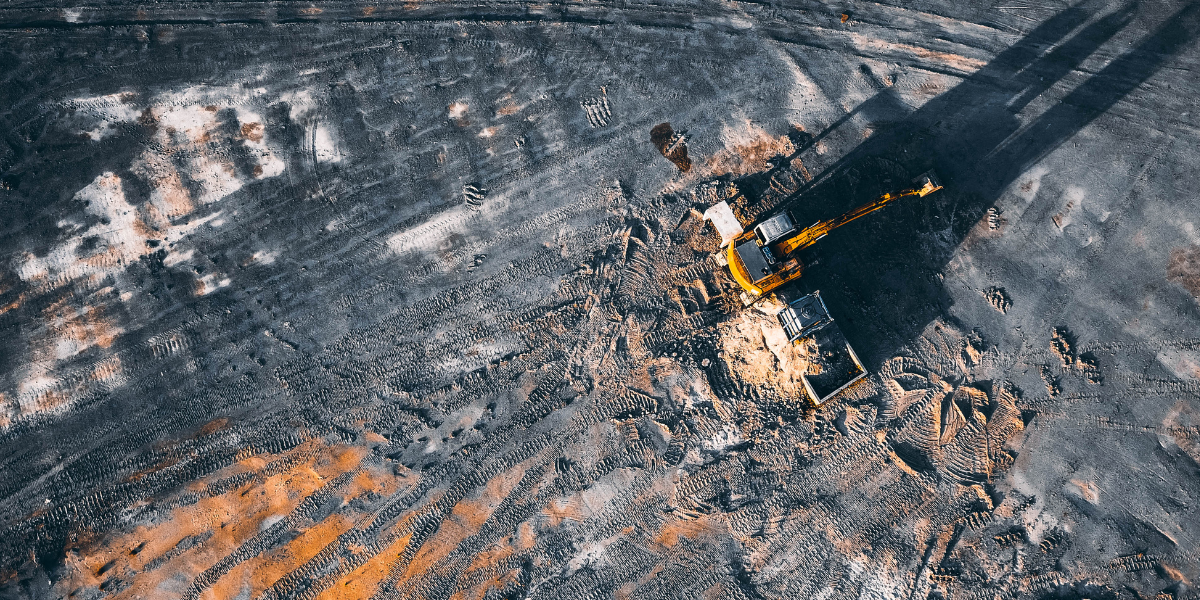
Just like earth and rock excavation lay the foundation for stable structures, mixing is essential to consistent, high-quality industrial production.
If you're blending binders for remediation, preparing slurries, or handling heavy, contaminated media, your results depend on how well materials are mixed. That’s where industrial drum mixers come in. Built for tough environments, they offer the precision and control needed for uniform, reliable results.
This guide explains how drum mixers work, outlines key types, and helps you choose the right solution for your next project.
Key Takeaways
- The right drum mixer keeps your materials consistent, your process efficient, and your results reliable.
- Every mixing job is different, so choose a mixer that fits your materials, viscosity, and container size.
- RockZone Americas drum mixers are built for tough jobs and engineered to deliver power and precision.
What Is an Industrial Drum Mixer?
An industrial drum mixer is a machine that blends, agitates, or reconditions material using rotating drums or mixing elements. In general, these mixers are used to create a more uniform blend, improve material consistency, and handle difficult or high-volume mixing jobs.
At RockZone Americas, we apply this concept through twin drum mixers, soil mixers, and industrial drum agitator mixers built for demanding work in soil blending, stabilization, solidification, and remediation.
We also use this equipment for very large container mixing in solidification and remediation projects. Our systems can be configured with options such as drum lacing pattern, drum size, depth extension brackets, injection piping, depth limiters, and collision preventers to match the jobsite and material.
The right mixer depends on the material, the carrier size, and whether the job calls for standard soil blending or heavier-duty mixing for remediation and solidification.
How Industrial Drum Mixers Work
Industrial drum mixers blend materials by rotating or agitating the contents inside a drum, barrel, or tank. They’re commonly used with 55-gallon drums but can also fit smaller containers like pails or tanks.
Mounting styles vary based on the drum:
- Bung mount mixers attach through the bung of closed-head drums, ideal for sealed environments.
- Clamping mixers fasten to the drum rim, offering quick setup and flexibility.
- Open drum mixers allow full access to the contents, making them suitable for manual loading or monitoring.
Mixers are selected based on the material’s viscosity, container diameter, and process needs. Thicker materials may require powered agitators, while lighter applications benefit from adjustable variable speed control.
Key components include the motor, blades, agitator, and mount, all working together to ensure thorough, consistent mixing. These systems help maintain product quality, reduce settling, and support efficient, repeatable performance across a range of mixing applications.
Types of Drum Mixers and Their Applications
There are many types of drum mixers, each designed to handle specific materials and processes. Here’s a closer look at the most common ones used across industries.
1. Rotary drum mixers
These mixers rotate the entire drum to blend the contents through gravity and tumbling. Rotary drum mixers are ideal for powders, granules, and fragile materials that require gentle handling.
They’re often used in food, pharmaceutical, and chemical industries, where maintaining particle integrity is crucial. With their low energy use and even mixing action, rotary models deliver excellent uniformity and reliability.
2. Direct drive drum mixers
Built for power and speed, direct drive mixers are the best drum mixers for high-shear applications. They feature a powerful motor that drives a shaft-mounted propeller or blade, producing rapid fluid movement for dispersing and dissolving solids.
These mixers are suited for chemicals, adhesives, paint, and coatings, where viscosity and precision are critical. The direct drive system provides fast agitation, and the variable speed control ensures flexibility across multiple mixing applications.
3. 55-gallon drum mixers
Among the most commonly used options, 55-gallon drum mixers are compatible with standard industrial drums. They can handle open-head and closed-head drums, depending on your operation’s safety and access requirements.
- Open-top drum mixers allow for manual material addition.
- Closed-head drums with bung mount mixers enable sealed, explosion-proof operations for volatile materials.
Their compact design and portable mount make them ideal for small-batch blending and onsite mixing applications.
4. Tilting and non-tilting drum mixers
These are popular in construction, concrete, and industrial coating applications. Tilting models discharge materials by pivoting the drum, while non-tilting types reverse rotation for unloading.
They’re designed for high-volume production, delivering consistent mixtures quickly and efficiently.
5. Continuous drum mixers
Used in large-scale production environments, continuous drum mixers blend materials as they pass through the rotating drum. This method eliminates batch cycles, boosting efficiency and reducing downtime.
They’re perfect for asphalt, fertilizer, feed, and bulk chemical processing.
6. Twin drum mixers
For heavy-duty industrial mixing, twin drum systems combine two synchronized drums for maximum agitation. They’re engineered for soil stabilization, sludge solidification, and remediation
These mixers provide exceptional power, consistency, and adaptability for tough environmental and construction applications.
Industries That Use Industrial Drum Mixers
Drum mixers are essential across a range of industries, offering reliable mixing for materials with different viscosities and process requirements.
Paints and coatings
Used to mix pigments, binders, and solvents, drum agitators help achieve uniform color and texture. Variable speed options support precise viscosity control and prevent settling.
Chemicals and adhesives
For adhesives, resins, and volatile compounds, bung-mount mixers allow sealed mixing in closed-head drums. Open drum mixers are better suited for materials that need frequent monitoring or manual input.
Construction and remediation
In construction and environmental work, mixers blend binders, additives, and heavy media in drums or tanks. 55-gallon drum mixers and twin-drum systems handle dense materials used in soil stabilization and sludge treatment.
Manufacturing
From batch production to continuous processing, drum mixers support consistent blending of powders, liquids, and slurries. Explosion-proof models reduce risk in hazardous environments.
General industrial applications
A versatile range of mixers suits different drum sizes and applications. The right drum mixer improves efficiency, supports product quality, and fits specific process needs.
How to Choose the Right Drum Mixer
Selecting the right drum mixer depends on your materials, application, and production setup. Here are the key factors to consider:
- Material type and viscosity: Thick liquids like adhesives or slurries require stronger motors and larger propellers for effective mixing. Variable speed settings help adjust for different viscosities and improve efficiency.
- Drum type: Choose the right configuration for your setup. An open drum allows for easy access and monitoring. Closed-head drums paired with bung mount mixers support sealed mixing. For quick setups, clamping mixers work well with standard drum rims.
- Mixing speed: Variable-speed mixing equipment gives you more control and is ideal for a diverse range of products with different blending needs.
- Safety considerations: If you're handling flammable or reactive chemicals, explosion-proof drum agitators are crucial for operator safety and compliance.
- Mounting style: Decide between bung, clamp, or fixed-lid mounts based on drum access and how often you need to switch containers.
- Container size: From small pails to full 55-gallon drum mixers, make sure the mixer fits the drum diameter and volume. Some models are also designed to attach easily to totes or tanks.
The right drum mixer helps ensure consistency, reduce waste, and keep your manufacturing process running smoothly, no matter the industry or application.
Engineered for Tough Mixing Jobs
At RockZone Americas, we know that effective mixing requires more than just motion—it demands equipment built for real-world conditions.
Our MXR Series twin-drum mixers are made for soil remediation, sludge solidification, and other heavy-duty tasks. Built on the proven Rockwheel chassis, each unit is configurable with features like injection piping, depth limiters, and collision protection.
Need a more compact option? The AX Mixer Series offers powerful single-drum performance for in-situ treatment in tighter spaces.
We also offer solutions for every stage of the process:
- Rockwheel drum cutters for trenching, demolition, and precision excavation
- Rockcrusher buckets for on-site material processing
- Rockscreener attachments for fast, clean material separation
Not sure which system fits your job? Contact us. Our team will help you choose the right tool for your application.
Conclusion
From open drums to sealed systems, from light material blending to demanding sludge stabilization, industrial drum mixers play a critical role in ensuring uniform, high-quality results. Success starts with selecting the right mixer for your materials, site conditions, and mixing goals.
At RockZone Americas, our drum mixers are engineered for heavy-duty applications like soil remediation, dredged material treatment, and environmental cleanup—built to perform where standard equipment falls short.
Frequently Asked Questions
What size mixer works best for a 55-gallon drum?
55-gallon drum mixers are specifically designed for standard 55-gallon drums. Make sure the agitator length fits the drum depth, and choose the right mount—bung mount for sealed drums or clamp-on for open drums. Proper sizing ensures better mixing and fewer issues with settling.
Can one mixer handle different materials?
Yes, a versatile mixer can handle a range of materials if it has the right settings. Look for variable speeds, swappable propellers, and an agitator that suits both low- and high-viscosity products. Just ensure it’s easy to clean between uses.
What features should I compare before choosing?
Consider these when comparing drum agitators:
- Drum size compatibility, especially for 55-gallon drums
- Mount style (bung, clamp, or fixed)
- Motor power and propeller type
- Ability to handle your material’s viscosity
- Sealed vs. open drum setups
- Optional features like filters or depth limiters
Choose based on your process needs and browse models that are ready for your workload.