
Ultimate Guide to Soil Compaction Construction: Techniques, Tools & Tips
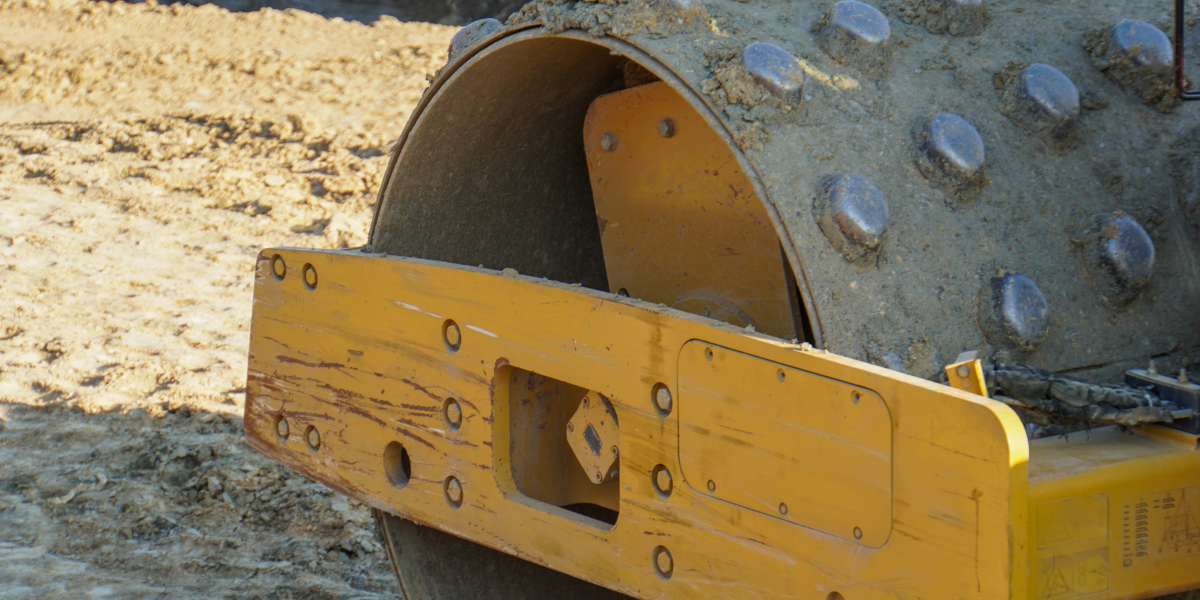
Cracked foundations, uneven driveways, and poor drainage often point to one thing: improper soil prep. Soil compaction construction plays a critical role before any structure goes up, creating a stable base that resists shifting, settling, and moisture damage.
RockZone Americas has seen how the right compaction approach can save time, money, and headaches down the line. This guide walks through practical steps, proven methods, and equipment choices to help get the ground solid from the start.
Key Takeaways
- Proper soil compaction is the backbone of every strong build, from road construction to building foundations.
- Matching the right compaction methods and equipment to soil type creates compact soil that resists settlement and water damage.
- Getting soil density right the first time saves future repair costs and delivers a stable foundation your next project can rely on.
Why Soil Compaction Matters in Construction Projects
Soil compaction construction plays a key role in the strength and long-term stability of every build. When soil is properly compacted, air pockets between soil particles are minimized, increasing the density of the soil and forming a solid, stable base.
Skipping this step or getting it wrong can lead to cracked foundations, uneven slabs, pavement failures, poor drainage, or shifting underground utilities. On the other hand, compact soil increases load-bearing capacity, reduces settlement, and offers stronger resistance to soil erosion and freeze-thaw cycles.
For all construction projects, from roads to foundations, proper soil compaction is one of the smartest ways to prevent problems and support structural success from the ground up.
Understanding Soil Types on the Construction Site
Soil compaction depends heavily on the type of soil present. Each group responds differently to force, moisture, and equipment. Matching the right method to the soil conditions is essential for proper compaction and long-term stability.
Cohesive soils. Clay and silt contain fine soil particles that naturally stick together. Their high clay content makes them harder to compact, especially when too dry or too wet. These soils need dynamic force from tamping rammers or padfoot rollers, along with controlled moisture content, to reach maximum dry density.
Granular soils. Sand and gravel are loose, non-cohesive, and compact well using vibratory methods like smooth drum rollers. They don’t retain moisture like cohesive soils, making it easier to reach maximum density with the right compaction equipment.
Organic soils. Full of plant debris and natural decay, organic soils aren’t suitable for structural work. They break down over time, leading to settlement, water seepage, and increased runoff. These must be removed and replaced with clean, undisturbed soil or approved fill.
Choosing the wrong approach for the soil type can lead to poor compaction, drainage issues, and costly repairs. For every construction site, soil knowledge is the foundation of a solid build.
Moisture Content: The Secret to Successful Soil Compaction
Moisture plays a critical role in how well soil compaction occurs. Even with the best compaction equipment, results fall short if the moisture content isn’t right for the soil type.
Why moisture level matters
When dry soils lack sufficient moisture, soil particles don’t bond well, making it difficult to reach the desired soil density. On the other hand, wet soils can become overly saturated, losing structure and creating an unstable base.
The ideal balance is called Optimum Moisture Content (OMC)—the point at which the soil can be compacted to its Maximum Dry Density (MDD). This balance supports a more efficient compaction process, especially in granular soils and cohesive materials where performance depends on moisture interaction.
Quick field check: The hand test
Grab a handful of soil, squeeze it, and drop it. If it crumbles easily, it’s too dry. If it sticks together and leaves your hand wet, it’s too moist. If it holds its shape briefly, then breaks apart, it’s at the right moisture level.
Testing for optimum moisture content helps reduce soil compaction issues, supports stronger shear strength, and sets the foundation for a successful construction process. Getting this right early can save time, prevent soil restoration, and help meet project specifications from the start.
Best Compaction Methods for Different Soil Types
There are several ways to compact soil, and the right method depends on both the type of soil and job site conditions.
- Static force uses the weight of the equipment to press down on the soil surface. It's most effective for granular soils with low moisture content.
- Vibratory compaction introduces movement to settle soil particles more efficiently. This method works well for sandy or gravel materials.
- Impact compaction applies repeated blows to the soil using tools like tamping rammers. It’s especially useful for clay-heavy soils where strong force is needed.
- Kneading involves applying pressure with a twisting or shearing motion, often delivered by padfoot rollers, to help compact cohesive materials.
- Jetting uses high-pressure water to compact soil, typically used in sandy soils during backfilling. This method has become less common due to concerns with water management and soil restoration.
For tight or confined spaces, options like flowable fill or controlled-density fill may be considered. However, for most construction activities, mechanical compaction methods remain the go-to solution for achieving maximum density and long-term stability.
How to Choose the Right Compaction Equipment
Choosing the right compaction equipment can be the difference between a project that holds up and one that falls short.
Here’s how to match your machine to the material:
- Smooth drum rollers: Great for large, open areas with granular soils like sand or gravel. They apply static and vibratory force for consistent density.
- Padfoot rollers: Best for cohesive soils. Their feet knead the ground, breaking up clumps and pressing soil together.
- Plate compactors: Used on granular bases in smaller areas like patios, sidewalks, or driveways.
- Tamping rammers (jumping jacks): Designed for tight, confined spaces and trench work. Excellent for cohesive soils.
- Pneumatic rollers: Use rubber tires and variable pressure to seal surfaces. Perfect for mid-sized areas and finishing work.
Machine selection also depends on site access, soil moisture, lift thickness, and required compaction depth. Choosing the wrong tool can result in under-compacted soil or worse, over-compaction that weakens the soil structure.
Step-by-Step Soil Compaction Process for Your Next Project
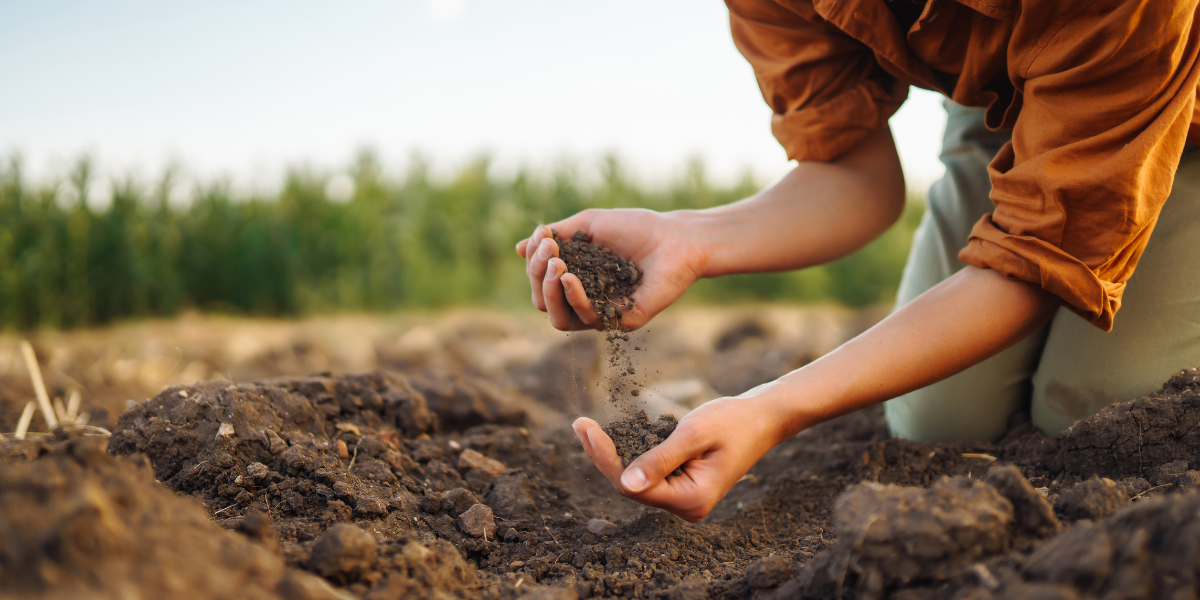
A structured approach makes compaction efficient and reliable. Here’s a six-step process widely used in construction projects, from road construction to building foundations.
1. Evaluate the soil and moisture
Start by identifying the soil type and checking its condition. Some soils require higher moisture content than others to compact properly.
A quick field test will reveal if you’re working with dry soils that need water added or wet soils that need time to dry before compaction occurs. Getting this step right improves efficiency throughout the compaction process.
2. Select proper backfill
Good compaction begins with good material. Undisturbed soil can sometimes be reused, but in many cases, crushed stone, granular fill, or engineered backfill is required to meet project specifications. The material should allow for even compaction and minimize the risk of water seepage or settlement around utility lines.
3. Compact in lifts
Working in layers 4 to 6 inches thick ensures the pressure from heavy equipment reaches through the soil evenly. Compacting deeper lifts all at once often leaves soft pockets beneath the soil surface, which weakens soil density and reduces long-term stability. Contractors in geotechnical engineering recommend smaller lifts for stronger, more compacted results.
4. Use the right method and equipment
Different soils require different compaction methods. For example, smooth drum rollers work well on granular soils, while tamping rammers are suited for clay-heavy areas. Matching compaction equipment to the type of soil and adjusting the number of passes helps achieve maximum density without wasting fuel or time.
5. Avoid overcompaction
While compacting is essential, too many passes with equipment traffic can break down soil particles and reduce porosity. This not only harms the soil’s ability to manage water but can also inhibit plant growth and damage tree roots near the compacted zone. Proper balance supports strong shear strength and keeps the soil from becoming too rigid.
6. Test your results
Once compaction is complete, testing verifies that the ground meets the required soil density. Tools like the Proctor test, nuclear gauge, or even simple field checks confirm that proper compaction has been achieved. Testing gives contractors confidence that the soil offers stable foundation support for building foundations or other structures.
This process reduces future settlement, supports the construction process, and prepares the ground for your next project.
Common Mistakes to Avoid During Construction Activities
A few wrong moves during compaction can set your project up for failure. Keep an eye out for these frequent issues:
- Compacting in layers that are too thick
- Skipping moisture checks
- Using equipment not suited for the soil
- Ignoring confined or hard-to-reach areas Failing to test for density after compaction
Avoiding these mistakes supports long-term stability and helps reduce the risk of settling, cracking, or drainage issues later on.
Compaction in Non-Structural Zones
Compaction is essential for structural stability, but it can create problems in areas meant to support plant growth.
In gardens, yards, and landscaped spaces, overly compacted soil limits water infiltration, restricts tree roots, reduces oxygen flow, and disrupts beneficial organisms that keep soil healthy.
To reduce soil compaction in these zones, limit equipment traffic, add compost or organic matter to improve structure, and aerate the soil when needed. Following guidelines from a management practices manual can also help maintain a balance between construction needs and soil health. Avoid compacting immediately after rainfall, when soils are most vulnerable.
Compaction should be applied only where it contributes to a stable foundation. Everywhere else, leaving soil loose supports long-term soil restoration, better drainage, and sustainable vegetation.
How We Support Soil Compaction Construction
RockZone Americas helps contractors handle tough ground conditions with equipment that delivers reliable performance and consistent results. For over 50 years, we’ve supported industries like rock excavation, trenching, demolition, and mining with solutions that prepare soil for a stable foundation and long-term durability.
Our attachments pair easily with heavy equipment, cutting prep time and minimizing labor while keeping soil properly conditioned for compaction. With options for rental or purchase, we make it simple to get the right tools for your next project.
Talk with our team to see how RockZone can help you achieve compact soil, stable support, and dependable outcomes on your construction sites.
Conclusion
Soil might seem like the simplest part of your project, but it's also the most unforgiving when overlooked. Proper soil compaction isn't optional. It's what keeps roads from rutting, slabs from cracking, and infrastructure from failing.
Know your soil type. Watch your moisture content. Choose the right method and machine for the job. Test often. Adjust as needed.
Get the soil right, and everything else stays solid.
Frequently Asked Questions
What does 95% compaction mean?
95% compaction means the soil on-site has been compacted to 95% of its maximum dry density measured in a lab test, usually the Proctor test.
This standard is common in construction projects because it creates a stable foundation, reduces settlement, and provides strength to handle building foundations, road construction, and heavy equipment without losing stability.
How to compact soil for building construction?
Compaction for building foundations starts with clearing the site, then working in thin layers, usually 4 to 6 inches. Each lift is compacted before the next is added.
The method depends on the soil type: smooth drum rollers for granular soils, tamping rammers for clay-rich soils. Keeping soil near its optimum moisture content is key. Done correctly, this process produces compact soil with high shear strength and a reliable stable foundation.
What are the 4 types of compaction?
The four main compaction methods are:
- Static force – weight of rollers pressing the soil surface.
- Vibratory compaction – shaking particles into place, best for granular soils.
- Impact compaction – repeated blows, effective for cohesive soils.
- Kneading compaction – twisting or shearing motion, often with padfoot rollers.
Each method matches a specific soil type and project, helping achieve proper soil density and long-term stable support.