
Trench Wall Safety: What Every Excavation Project Needs to Get Right
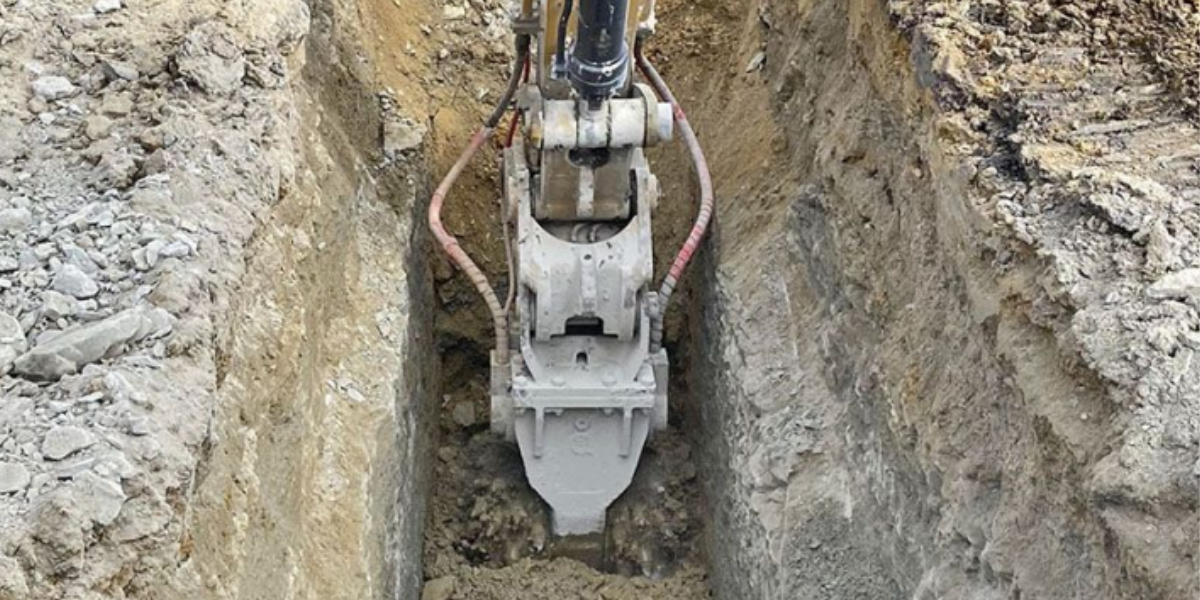
Every excavation reaches a point where the trench wall becomes the most critical concern. It may appear stable, but soil shifts quickly, pressure builds with depth, and collapse can happen without warning.
At RockZone Americas, we focus on more than compliance—we help crews work confidently in safe, stable conditions. This guide explains why trench walls fail, how protection systems work, and how precise excavation keeps teams safe from start to finish.
If you’re digging below grade, this is the real-world context you need to manage trench wall risk effectively.
Key Takeaways
- Trench wall failures happen fast, but most can be prevented with the right protection systems in place.
- Soil conditions, depth, and spoil placement all determine how stable a trench wall will be.
- Safe trenching starts with proper planning, daily inspections, and reliable protective equipment.
What Is a Trench Wall?
A trench wall is the vertical or near-vertical surface formed when crews excavate narrow trenches for underground structures, utilities, drainage, or foundations. These walls appear in every trench and are shaped by how the soil is cut and supported.
Unlike open excavations, trenches concentrate stress into a confined space. As depth increases, the surrounding soil exerts more pressure on the walls. Stability depends on soil conditions, trench depth, moisture, and how the excavation was carried out. Without the right approach, these walls can become unstable fast.
Understanding trench wall behavior helps teams determine the right protective measures, create safer work zones, and keep workers and projects secure.
Why Trench Walls Fail
Trench wall collapses usually result from a combination of overlooked factors—not a single mistake. Knowing what puts trench walls at risk is key to protecting workers and maintaining site safety.
Soil conditions
Some soils are more hazardous than others. Loose, granular materials like sand shift easily, while clay may hold shape until moisture softens it. Every site requires a competent person to analyze and classify the soil to determine how stable the trench walls are likely to be.
Water and moisture
Water is a major threat to trench safety. It reduces soil cohesion and adds hydrostatic pressure to the walls. Even small amounts of groundwater can lead to failure if not managed properly.
Trench depth and soil pressure
The deeper the trench, the greater the force pressing on the walls. As depth increases, wall strength must increase too. Trench safety systems must be designed to match the depth and conditions present.
Spoil and equipment placement
Excavated materials (spoil) and heavy machinery should be kept at least 2 feet from the edge of the trench. Placing materials or equipment too close adds weight that increases pressure on the trench walls, threatening their stability.
Vibration and activity
Ongoing work, nearby traffic, or equipment vibrations can shift soil and weaken trench walls over time. What looked secure earlier may not remain stable throughout the day.
Trench wall failures don’t always show warning signs. That’s why the safest sites rely on prevention, using well-designed systems and practices to ensure crews can continue working with confidence.
How Trench Wall Failures Put Workers at Risk
When a trench wall fails, the collapse happens fast. A single cubic yard of soil can weigh over 3,000 pounds—roughly the weight of a compact car. That force can bury, trap, or seriously injure workers in seconds.
Because trenches are narrow and enclosed, workers have limited space to react or escape. Their safety depends entirely on the protective systems installed before work begins. That's why trench wall security isn’t just best practice—it’s essential. The right system, properly designed and installed, helps ensure that crews can work with confidence.
OSHA’s Core Approach to Trench Wall Protection
OSHA standards are designed to prevent collapse and protect workers in trenches.
- Trenches 5 feet or deeper require a protective system, unless the trench is dug entirely in stable rock.
- Trenches 4 feet or deeper must include a safe way to exit, such as a ladder or ramp. Workers must be within 25 feet of this egress point at all times.
- Spoil piles, materials, and heavy equipment must be kept at least 2 feet from the trench edge to avoid adding weight and pressure on the trench wall.
- A competent person must inspect the trench daily and classify soil conditions. This individual determines the safest protection method and ensures that changing conditions are addressed immediately.
These guidelines are not just rules—they're designed to ensure every trench is secure before workers enter.
Trench Wall Protection Methods Explained
Protection systems must match the trench’s depth, soil conditions, and layout. OSHA recognizes three main approaches:
Sloping and benching
Sloping involves cutting trench walls back at an angle. Benching forms steps to reduce vertical stress. These methods work well in open areas but generally require more space and time to create.
Shoring
Shoring systems use mechanical or hydraulic supports to hold back trench walls. They are designed for tighter workspaces or when trenches remain open for longer durations. Shoring protects nearby structures and helps maintain excavation shape under shifting soil conditions.
Trench shields and trench boxes
Trench shields (commonly called trench boxes) do not prevent trench walls from collapsing. Instead, they are designed to protect workers inside the trench if a collapse occurs.
These systems are typically made from durable materials and are easy to install and reposition, making them ideal for active, fast-paced jobs.
Each of these protection methods plays a vital role in trench safety. Choosing the right one depends on the environment and how the trench is being used.
Key Factors That Determine the Right Trench Wall System
There is no one-size-fits-all solution. A system must be selected based on:
- Soil conditions and moisture levels
- Trench depth and width
- Proximity to nearby structures, roads, or utilities
- The duration the trench will remain open
- The type of work being performed inside the trench
A protection method must be designed for the real-world scenario—not just for compliance but to create lasting safety. Understanding these variables helps prevent failure and ensures every worker stays secure inside the trench.
Safe Access and Egress Around Trench Walls
Even with trench wall protection in place, safe entry and exit are essential. OSHA requires trenches 4 feet or deeper to include a secure means of egress, such as ladders or ramps, positioned so workers are always within 25 feet of an exit.
Access points must be stable, clearly marked, and maintained throughout the job. Ladders, ramps, or walkways should be part of the overall trench safety plan—not added as an afterthought.
Planning Excavation Work to Reduce Trench Wall Risk
Trench wall safety starts with proper planning. That includes evaluating soil conditions, placing spoil at a safe distance, and sequencing work to limit how long trenches stay open.
Using the right protective equipment, sized for the trench depth and site layout, helps maintain wall stability and reduces over-excavation. Clean, efficient digging reduces unsupported areas and helps crews stay on schedule with fewer safety risks.
Common Trench Wall Safety Mistakes to Avoid
Trench wall failures often stem from avoidable missteps. Some of the most common include:
- Judging soil stability by appearance
- Skipping protection on short or shallow jobs
- Placing spoil or equipment too close to trench edges
- Not re-inspecting after weather changes or vibration
- Allowing entry before shoring or shielding is installed
These mistakes put crews at risk. The phrase “it looked fine” is no defense after a collapse. Jobsite training, videos, and safety content can help reinforce best practices—and ensure trench protection is in place before work begins.
Smarter Excavation for Safer Trenches
Trench safety starts with control. Clean, accurate cuts reduce over-excavation and make it easier to install shoring or shielding systems the right way. RockZone products are designed to support safer, more efficient excavation from the first cut to final backfill.
Our RockWheel creates precise trench walls in rock and dense soil. RockCrusher processes spoil on site to minimize pileup near trench edges. RockScreener separates fill from debris to streamline backfilling and improve compaction quality.
If you're planning trench work and want the right attachments for the job, give us a call. We'll help match the equipment to your site and scope.
Conclusion
A trench wall is not just part of the excavation. It’s a critical safety boundary that must be managed from start to finish.
Understanding soil conditions, depth‑related risks, and protective systems allows contractors to create safer work environments and protect workers from one of the most dangerous hazards in construction.
With proper planning, qualified inspection, and precise excavation, trench walls can be controlled rather than feared. When safety is built into every step of the process, crews can work with confidence and projects can move forward without unnecessary risk.
Frequently Asked Questions
What is the purpose of a trench wall?
A trench wall forms the vertical side of a narrow excavation. It defines the space for underground work and holds back surrounding soil. If not supported, it can collapse and create serious hazards.
How do trench protection systems protect workers?
Systems like shoring, shielding, and sloping help keep soil in place or shield workers during a collapse. They reduce the risk of injury by creating a safer work area inside the trench.
Who decides what protection is needed?
A competent person evaluates the trench, soil, and site conditions to choose the right protection system. This ensures safety measures match real on-site risks.
When is trench protection required?
Trenches 5 feet or deeper need a protective system unless dug in stable rock. Trenches 4 feet or deeper must have safe access, like a ladder, within 25 feet of workers