
Soil Remediation Equipment: Tools That Turn Contaminated Sites Into Opportunity
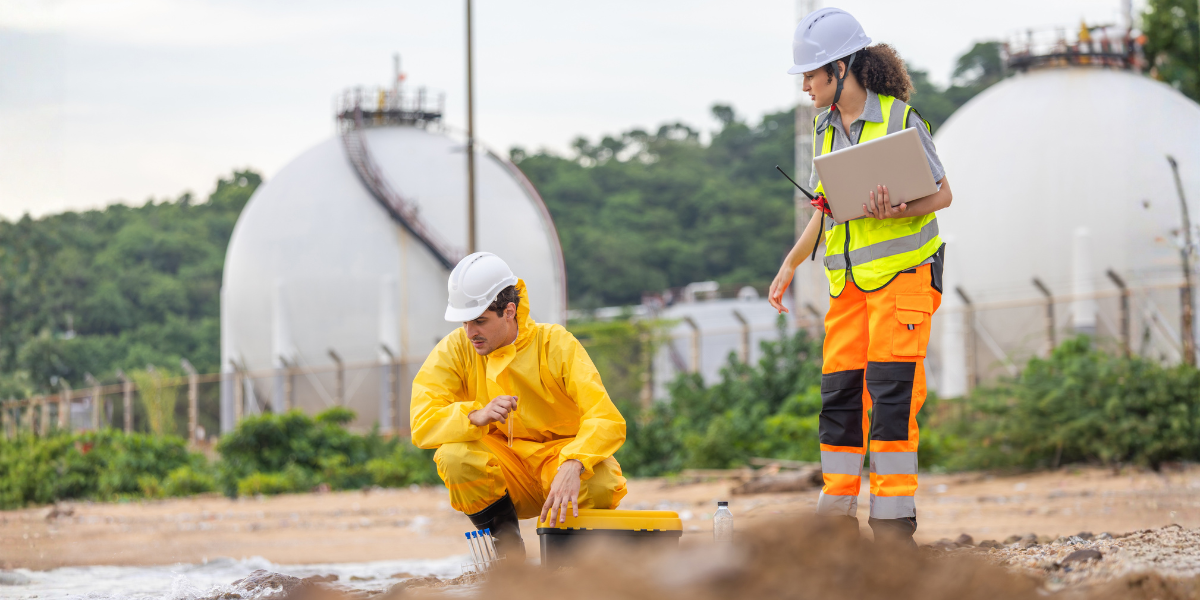
Contaminated soil can bring a project to a standstill—but it doesn’t have to. With the right approach and equipment, cleanup becomes an opportunity to unlock value from even the most challenging sites. That’s where soil remediation equipment comes in.
At RockZone Americas, we provide rugged, high-performance tools that support the heavy lifting in soil remediation—from precision excavation to on-site soil mixing and material processing. When your job calls for fast, effective, and compliant cleanup, we deliver the tools that help you take control of the site.
Whether you’re remediating for construction, dealing with hydrocarbons or heavy metals, or managing groundwater risks, the right equipment transforms problems into progress.
Key Takeaways
- The right soil remediation equipment saves time, reduces risk, and keeps your project on track.
- Integrated systems and specialized tools make complex contamination manageable and efficient to treat.
- Custom-fit equipment delivers better results and long-term value across a wide range of site conditions.
What Is Soil Remediation?
Soil remediation is the process of removing, treating, or neutralizing contaminants in soil to make land safe for people, wildlife, water sources, and future use. Common contaminantsinclude:
- Industrial chemicals
- Wastewater residues
- Hydrocarbons from spills
- Heavy metals
- Hazardous waste from landfill leachate
Preparing a site for construction, restoring a brownfield, or supporting ecological recovery all start with effective remediation. That only happens with the right soil remediation equipment, designed to manage soil contamination efficiently and safely on site while meeting regulatory compliance requirements.
The Role of Soil Remediation Equipment
Remediation is more than digging and hauling. It’s about precision, safety, and long-term results. Here’s how the right remediation equipment supports that mission.
Treating and removing contaminated soil. From high concentrations of pollutants to difficult subsurface conditions, modern sites require specialized equipment that can handle it all without compromising performance.
Handling hazardous materials safely. When working with chemicals, waste, or volatile contaminants, proper handling is critical. The right tools keep teams safe and prevent cross-contamination.
Working with remediation systems. Many sites use systems like soil vapor extraction, bioremediation, or dual phase extraction systems. Our tools support these processes by prepping and processing soil with precision.
Preparing sites for redevelopment. Clean, stable ground is essential for what's next, whether that’s infrastructure, replanting, or commercial use.
Supporting compliance and efficiency. Cleanup efforts must meet strict compliance standards. Purpose-built remediation equipment ensures you stay on track, on time, and in line with environmental goals.
Common Types of Soil Remediation Equipment
Remediation sites vary, and so do the tools needed to clean them up. From excavation to advanced treatment systems, each type of soil remediation equipment plays a role in managing contaminated soil, protecting groundwater, and restoring land for safe use.
Excavation and handling equipment
Excavators, loaders, and material handlers remove contaminated soil from the surface or subsurface and prep it for treatment or disposal. Precision is key—too little leaves contaminants behind, too much adds unnecessary cost.
Soil mixing and blending systems
These systems blend soil with stabilizers, reagents, or biological amendments to support on-site remediation, including bioremediation. Ideal for larger areas where hauling soil offsite isn’t efficient or suitable.
Soil washing systems
Using water and mechanical action, these systems separate contaminants from soil. They often include pumps, filters, and holding tanks for solids and wastewater. Effective for specific soil types and contaminant ranges.
Thermal treatment equipment
Thermal systems heat soil to destroy or volatilize hydrocarbons, gas, and other volatile compounds. Known for speed and performance, they’re used when high-impact treatment is needed.
Bioremediation equipment
Supports the use of microbes or plants to break down pollutants. Equipment may include nutrient feeds, aeration systems, and monitoring tools. Best suited for longer-term environmental recovery.
Soil vapor extraction systems
Soil vapor extraction pulls gas-phase contaminants from the ground using blowers or vacuums. Often skid-mounted, portable, or mobile, these systems are common in remediation projects involving VOCs.
Integrated Soil Remediation Systems
Many sites rely on combined remediation systems that use technologies like soil vapor extraction, dual-phase extraction systems, and pump-and-treat. These integrated solutions are often mounted on trailers or skids, allowing rapid deployment and flexibility across changing site conditions.
Dual-phase systems are especially effective when both soil and groundwater are impacted. High-powered pumps remove liquid and vapor simultaneously, helping teams treat contamination quickly and reduce project timelines.
Key Features to Look For in Soil Remediation Equipment
Not all remediation jobs are created equal. Selecting the right soil remediation equipment means focusing on features that support performance, reliability, and long-term value across a wide range of site conditions.
High performance and reliability
Remediation equipment must operate consistently under demanding conditions. From heavy soil contamination to abrasive materials and extended run times, performance and durability directly impact project timelines and overall money spent on maintenance or downtime.
Proprietary technology that adds value
Innovative, proprietary technology can improve how equipment integrates with existing soil remediation systems and remediation systems. Advancements in design and control help operators treat material more efficiently while maintaining safety and accuracy on the job.
Support for on-site treatment
Equipment that supports on-site remediation reduces reliance on off-site disposal, limits waste transport, and helps protect surrounding water and the environment. This approach often delivers measurable cost and scheduling benefits.
Mobility and flexible configurations
Skid-mounted and portable designs allow equipment to move easily from one project to the next. This flexibility helps contractors respond to shifting demand and deploy solutions quickly without major setup delays.
Compliance and safety considerations
Meeting environmental and jobsite safety requirements is non-negotiable. Equipment should support safe handling of waste, hydrocarbons, and other contaminants while aligning with regulatory expectations tied to soil and groundwater protection.
Durable components and long service life
High-quality components contribute to equipment longevity and consistent output. Tools built to last reduce replacement cycles and provide better value over time for customers managing multiple remediation sites.
Challenges Soil Remediation Equipment Helps Address
Every remediation effort presents unique challenges, especially when dealing with legacy contamination or complex site conditions. Purpose-built equipment helps teams overcome obstacles such as:
- High concentrations and mixed contaminants. Sites impacted by hydrocarbons, gas, or chemical waste often require tools capable of handling dense or variable material without compromising performance.
- Groundwater and subsurface constraints. When contamination threatens groundwater, precision and control become critical. The right equipment supports careful removal and treatment without spreading pollutants further.
- Tight schedules and budget pressures. Many remediation projects operate under strict timelines and cost controls. Efficient equipment helps teams meet deadlines, control spending, and protect overall project margins.
- Access limitations and sensitive environments. Urban locations, active facilities, or environmentally sensitive areas limit access and working space. Compact, adaptable tools help crews work effectively while minimizing disruption.
RockZone Americas: Purpose-Built Tools for Soil Remediation
At RockZone Americas, we build equipment for real-world soil remediation. Our MXR, AX, and Double AX soil mixers are designed to blend binders, reagents, and additives into contaminated soil, supporting chemical and bioremediation processes.
Each mixer is configurable by drum size, blade design, mounting setup, and hydraulic specifications, making them suitable for a wide range of sites. From tight urban spaces to large industrial zones, our tools deliver reliable performance and long service life.
We also offer the RockWheels for precision cutting and the RockCrushers for reducing material to spec—ideal for prepping or processing soil around treatment.
Our team works with you to match the right tools, review specifications, and support your project from start to finish.
Contact us to find the right solution for your next soil remediation job.
Conclusion
Soil remediation is a complex process that demands reliable equipment and well-integrated systems. From initial removal to on-site treatment, the right tools make it possible to address contamination efficiently, protect water sources, and restore land for safe, productive use.
Modern soil remediation equipment supports a wide range of technologies and methods, helping teams manage everything from gas-phase pollutants to difficult subsurface conditions. With the right setup, projects can move faster, stay compliant, and deliver lasting environmental and operational benefits.
Frequently Asked Questions
What types of projects need soil remediation equipment?
Any site with soil contamination, including former industrial land, redevelopment areas, and active plant sites, can require soil remediation. These projects often involve construction, utility work, or gas infrastructure where proper removal and treatment protect the environment and nearby water sources.
How are soil remediation systems different from standard excavation equipment?
Standard excavation tools focus on moving material. Soil remediation systems are designed to treat contaminated soil using specialized components and technologies, such as soil vapor extraction or bioremediation, to manage contaminants safely and effectively.
Can soil remediation equipment be used with existing systems?
Yes. Many tools are designed to integrate into existing soil remediation systems and broader site systems. This allows crews to expand or adjust their approach without replacing an entire equipment array, saving time and cost.
What should I consider when choosing remediation equipment?
Consider soil conditions, contaminant type, site access, and project goals. Equipment with durable components, adaptable systems, and proven benefits will deliver better results and long-term value.