
Soil Excavation: How to Choose the Right Approach for the Ground You Have
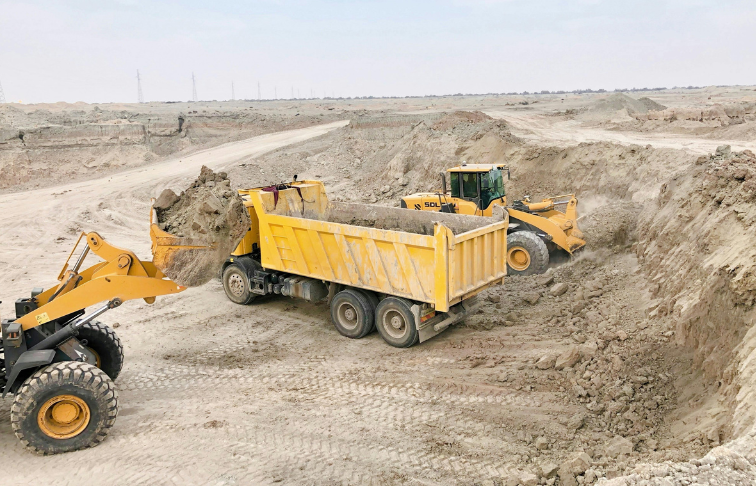
Soil excavation is not always a simple digging job. What starts as routine earth removal can quickly turn into trenching, wet material handling, mixed fill removal, or rock excavation.
The right approach depends on what is in the ground, how deep the cut needs to go, and whether the material can be removed cleanly or needs to be cut, mixed, screened, or processed first.
In this guide, we look at soil excavation as a site decision, not just a machine task. We cover the main excavation types, how site conditions change the plan, what happens to removed material, and whereRockZone Americas fits when the work shifts into harder ground and material processing.
Key Takeaways
- Soil excavation works best when the method matches the ground, not just the schedule.
- Site conditions, material handling, and depth can change an excavation plan faster than many teams expect.
- The more accurately you read the ground early, the more controlled and efficient the job becomes.
What Is Soil Excavation?
Soil excavation is the controlled removal of soil and related material to prepare a site for construction, drainage, foundations, utilities, and other infrastructure work.
In simple terms, the excavation process is a planned cut into the earth to reach a specific location and required depth. Depending on the job, that may involve topsoil excavation, earth excavation, trench excavation, basement excavation, muck excavation, or rock excavation.
That matters because excavation creates space for footings, utility lines, basements, roads, and other structures. It also helps prepare a solid base for the next phase of the project.
The material removed can vary by site. It may include clay, sand, silt, gravel, wet material, fill, debris, or rock. That is why soil excavation is more than basic digging. It is a controlled process shaped by soil composition, water, and the purpose of the cut.
Soil Excavation Starts With the Ground, Not the Machine
Every excavation starts with the ground, not the equipment. A site with clay loam, silty clay, or sandy clay will not behave the same way as one with sand, angular gravel, or mixed fill.
Before crews begin excavating, they need to determine the required depth, likely soil types, nearby utility lines, and the actual purpose of the cut. The difference between shallow trenches and deep trenches can also change the whole approach.
Ground conditions affect more than the cut itself. They also affect spoil handling, support needs, and whether the job stays simple or shifts into harder-ground work.
Reading the site early helps teams avoid wasted motion and choose the right method before the excavation process is underway.
Matching the Excavation Type to the Job
Different jobs call for different forms of excavation. The right category depends on the purpose of the cut, the depth, and the material being removed.
On a construction site, that may mean stripping the upper surface, cutting for utilities, preparing foundations, or working through previously disturbed fill.
Topsoil excavation
Topsoil excavation removes the upper layer before grading, utility work, roads, or structural work begins. It helps clear the site so the next phase starts on more suitable ground.
Earth excavation
Earth excavation removes soil below the top layer and is commonly used for pads, grading, foundations, and general site shaping. It is one of the most common forms of excavation in both small projects and commercial construction.
Trench excavation
Trench excavation is used where the job requires narrow cuts for drainage, utilities, sewers, and footings. The approach can change significantly depending on whether crews need to work in shallower runs or more confined sections where trenching conditions become more demanding.
Basement excavation
Basement excavation is used for below-grade spaces and larger cuts tied to underground building areas. It usually involves more spoil handling, tighter control of depth, and more attention to the stability of the sides.
Rock excavation
Rock excavation comes into play when the cut reaches hard material that standard earthmoving will not remove efficiently. That may include fractured material, harder layers, or stable rock that changes the pace and method of the job.
Muck excavation
Muck excavation deals with overly wet, unstable material that cannot support the next phase of construction. It is often necessary when the ground condition is too soft for a reliable working base.
Fill excavation
Fill excavation can be one of the less predictable categories because the ground may be previously disturbed or made up of mixed, man-made cut material. In some cases, fill excavation includes inconsistent soils, buried material, or conditions that differ sharply across the same site.
A Smarter Way to Think About Soil Types
Soil classification matters because the material affects the excavation method, the pace of work, and the kind of support the cut may need. The goal is not just to name the soil, but to understand how it behaves once crews begin excavating.
Cohesive soils
Cohesive soil types such as clay, silty clay, sandy clay, and clay loam tend to hold together more than granular soils. That can make them seem more controlled at first, but moisture, disturbance, and cut conditions still affect how stable they remain.
Granular soils
Granular soils such as sand, gravel, angular gravel, and crushed rock usually shift more easily and often require a different excavation approach. These materials can behave very differently from tighter soils once the cut is open.
Type B soil and Type C soil
Type B soil and Type C soil are commonly used excavation safety classifications. In practical terms, less stable material calls for a more conservative approach to support, access, and wall protection. Those decisions should follow site-specific assessment and applicable excavation safety requirements, including choices around proper shoring and slope angle where needed.
Stable rock
Stable rock is treated differently from loose soil because it behaves differently once exposed. Even so, it still has to be assessed in context, especially when excavation conditions change or when harder material transitions into surrounding soil.
What Can Go Wrong During Soil Excavation
Excavation problems usually start when site conditions change faster than planned. On an active construction site, this can affect production, access, and worker safety long before the cut is finished.
When the sides stop holding
Loose soil, sloughing, and sidewall movement can create serious hazards, especially in narrow cuts and deeper excavations. As depth increases, the sides may need more attention, and support needs can change quickly depending on the material and the shape of the opening.
When water changes the excavation
Water can reduce stability, slow access, and turn routine removal into a wetter, less predictable handling problem. It can also change the condition of the soil faster than crews expect. In harder conditions, even submerged rock can force a different approach.
When buried surprises slow the project
Unknown utility lines, buried debris, concrete remnants, mixed fill, or harder material can all interrupt the work. What starts as ordinary digging may quickly shift into cutting, cleaning, or processing once the ground reveals something different from what was expected.
When depth creates a new level of risk
As excavation gets deeper, spoil handling, access, and support demands become more complex. A deeper cavity changes far more than just production. It can affect how crews move, where material goes, and how the area is managed around the cut.
The Excavation Decisions That Affect Cost Most
A lot of excavation cost comes from judgment and timing, not just production. Small planning mistakes early in the process can create larger delays later.
Choosing the wrong excavation type
Using the wrong approach for the ground can lead to delays, rehandling, and over-excavation. A site that needs a more controlled or specialized method can become more expensive if it is treated like a simple removal job.
Misreading the soil composition
If crews misread the soil early, the support plan, equipment choice, and work sequence may all need to change later. A site that looks manageable at the surface can behave very differently once the cut reaches silt, sand, mixed fill, or harder inclusions.
Mishandling soils removed from the site
Poor spoil placement, extra handling, and unplanned haul-off all add cost. Once soils removed from the cut start interfering with access, traffic flow, or nearby work areas, the whole project feels it.
Waiting too long to change the approach
If the job has clearly shifted into cutting, screening, crushing, trench cleaning, or soil mixing, changing methods earlier is usually more efficient than forcing the wrong one to continue. Delay here often adds cost faster than crews expect.
Soil Excavation and What Happens to the Material Afterward
Excavation is not done when the material leaves the ground. What happens next affects site flow, cleanup, and how smoothly the next phase of construction can begin.
Material that stays on site
Some removed material may be reused for grading, shaping, or other site needs if it is suitable. Keeping usable material on site can reduce extra movement and make the work area more efficient.
Material that needs to move
Excess spoil, wet material, unstable fill, or unsuitable soil may need to be hauled away. On some jobs, that decision is driven just as much by available space and access as by the material itself.
Why storage and haul-off planning matter early
Spoil takes space, affects traffic flow, and can interfere with the rest of the project if it is not planned for early. On larger jobs, poor storage planning can crowd active work zones and slow the entire excavation sequence.
Soil Excavation for Different Kinds of Projects
The project type changes the excavation strategy. A cut for a utility run does not behave like one for a larger building pad, a below-grade area, or a broad commercial site with multiple active zones.
Foundations and footings
Excavation for foundations and footings has to be accurate because it affects support conditions from the start. The cut must reach the right ground level and create a stable base for the work that follows.
Utility and drainage work
Utility and drainage work often depend on trench excavation, where access, line, and depth all matter. These jobs usually need tighter control than broader open cuts because the work area is narrower and the margin for error is smaller.
Commercial construction and site development
In commercial construction, excavation may happen across several zones at once. That can include building areas, utility corridors, access routes, and parking lots. In these conditions, spoil control and sequencing matter just as much as the cut itself.
Below-grade and specialty cuts
Excavation for lower-level spaces or harder conditions usually requires more control over both the cut and the material coming out of it. Once the work moves into below-grade areas or more difficult ground, the excavation plan often has to become more deliberate and more specialized.
The Ground Conditions That Usually Change Equipment Needs
Some sites can be handled with standard earthmoving equipment. Others need a different setup once crews start excavating and the ground proves harder or less consistent than expected.
Basic removal near the surface may only require a conventional excavator and routine handling. That is often the case when the cut is shallow and the material is uniform.
The setup changes when the ground includes harder transitions, buried obstructions, silt, or rock. In those conditions, the job may need different attachments, more controlled techniques, or a different process altogether.
If the material also has to be screened, crushed, mixed, or cleaned before work can continue, the job has moved beyond simple excavation and into material processing.
A Better Way to Talk About Excavation Safety
Excavation safety starts before the cut. The safest approach begins with reading the site clearly and matching the plan to the ground conditions.
That means crews need to determine soil behavior, nearby utilities, access, and how the cut may change with depth. Even a small shift in material or water can affect stability.
Choices such as slope angle and support depend on the material, the shape of the cut, and the space around nearby structures. In practice, safe excavation depends on giving workers stable access, controlled material placement, and enough room to work.
RockZone Americas for Challenging Ground Conditions
Some excavation jobs stay straightforward. Others shift once the ground turns into a harder cutting or material-handling problem.
RockZone Americas focuses on that harder side of the work, with rock and concrete cutting attachments and soil mixing equipment for construction, mining, and environmental remediation. Rental or purchase options are available.
That makes it a fit when excavation moves beyond ordinary removal into trenching, demolition, quarrying,mining and tunneling,underwater excavation, or other work that calls for cutting, screening, crushing, trench cleaning, or soil mixing.
Call RockZone Americas to discuss the right setup for your next job.
Conclusion
Soil excavation is more than a digging task. It is a site decision shaped by soil type, depth, water, material conditions, and the purpose of the project.
From topsoil and earth excavation to trench, basement, muck, fill, and rock excavation, the method has to match the ground. When the work shifts from ordinary earth removal to harder cutting or material processing, the approach has to shift with it.
Frequently Asked Questions
What is the meaning of soil excavation?
Soil excavation is the controlled removal of soil and related material to prepare a site for construction, utilities, drainage, footings, or other infrastructure work.
In practical terms, it means cutting into the ground to create the depth, shape, and space a project requires.
What are the three types of excavation?
A simple way to group excavation is into topsoil excavation, earth excavation, and trench excavation.
Topsoil excavation removes the upper surface layer. Earth excavation removes soil below that layer for grading, pads, and foundations. Trench excavation is used for utilities, drainage, and footings.
What is the 5-4-3-2-1 rule for excavation?
The 5-4-3-2-1 rule is best understood as a field reminder, not a complete excavation standard.
It is commonly used to flag a few basic trench safety checks, such as:
- around 5 feet, deeper trench conditions often trigger added protective attention
- around 4 feet, crews should be thinking carefully about safe entry and exit
- around 3 feet, ladder setup and reach above the edge are part of safe access
- around 2 feet, spoil piles and materials should be kept back from the trench edge
It can be useful as a quick reminder, but actual excavation requirements depend on soil type, depth, protective systems, and site conditions.