
Skid Steer Crusher Bucket: What You Need to Know Before You Buy
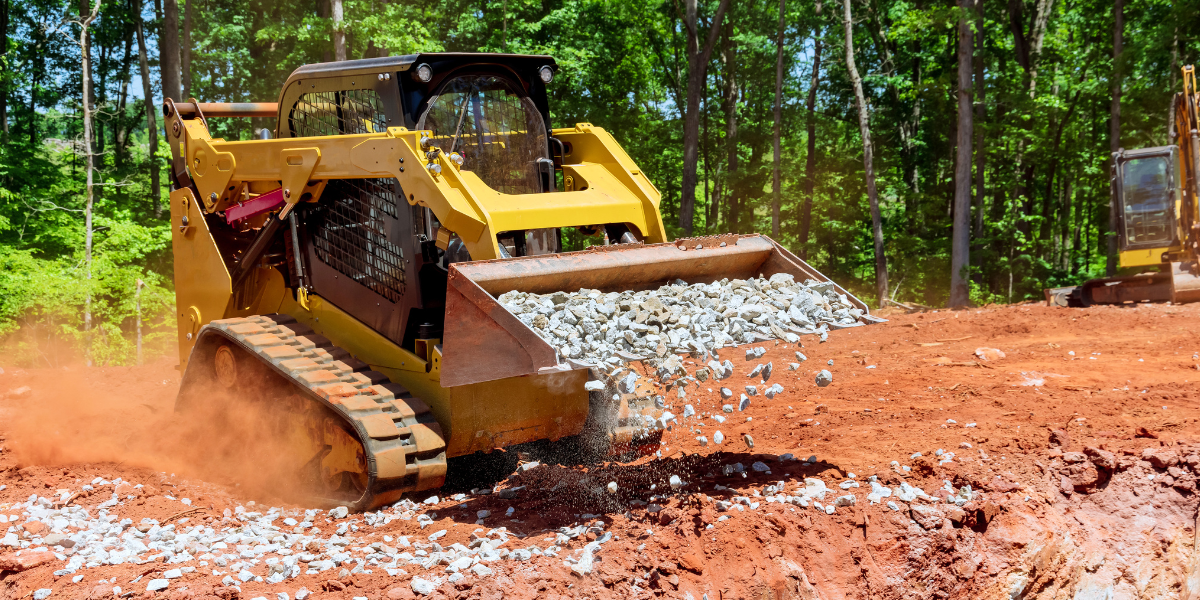
If you’ve dealt with hauling broken concrete or paying high disposal costs, you’ve probably wondered if there’s a better way. Good news: there is.
A skid steer crusher bucket is a compact, powerful attachment that handles rock excavation, demolition, and recycling right on your job site. It crushes concrete, brick, and stone quickly so you can reuse material without leaving the site.
But before you commit to one, it’s important to understand how these buckets work, what they do best, where they fall short, and when it makes sense to upgrade to an excavator crusher like our RockZone Rockcrusher.
Let’s break it down so you can choose the right setup for your next project.
Key Takeaways
- A skid steer crusher bucket turns your loader into a powerful on-site concrete crusher that saves time and money.
- For larger, tougher jobs, an excavator-mounted RockZone Rockcrusher delivers higher output and long-term performance.
- Whether you’re crushing concrete, stone, or asphalt, choosing the right attachment keeps your projects efficient and profitable.
What Is a Skid Steer Crusher Bucket?
A skid steer crusher bucket is a hydraulic attachment that turns your skid steer loader into a mobile concrete crusher. It’s built to handle tough material like concrete, asphalt, brick, stone, and block, using internal jaws to crush debris right on the site.
Instead of hauling material off-site or paying high disposal costs, you can crush rock and reuse it immediately. This saves money, reduces downtime, and keeps your projects moving.
These bucket crushers are compact and lightweight, making them ideal for tight spaces. They give contractors and businesses a simple way to boost performance without adding another piece of heavy equipment.
You'll find them on:
- Utility and pipeline trenching
- Road and infrastructure repair
- Residential and commercial demolition Agricultural and land clearing work
If you want to get more out of your existing machine, adding a crusher bucket is a smart, efficient move.
How Does a Skid Steer Crusher Bucket Work?
A crusher bucket connects directly to the hydraulic system of your skid steer loader, backhoe loaders, or even wheel loaders. Once attached, it becomes a fully functional concrete crusher capable of breaking down tough material right on the site.
Here’s a quick breakdown of how the process works:
Attachment and setup
Mounting the bucket is straightforward. Like any other hydraulic attachment, it’s important to match flow and pressure specs for safe and efficient operation. Most models are built to handle common job requirements, making setup fast and easy.
Loading the material
Drive your machine to the pile, scoop up your concrete, asphalt, stone, or brick, and get to work. Whether it’s leftover demo debris or natural rock, the crusher bucket is built to handle a wide range of material types and sizes.
The crushing process
Inside the bucket, heavy-duty jaws compress the material against a fixed surface, breaking it down into smaller chunks. Some models use internal rotors, while others rely on direct pressure, but the end result is the same—smaller, more manageable aggregate ready for reuse or delivery elsewhere on the job.
Output control for versatility
Many crusher buckets allow the operator to adjust the output size. This flexibility lets you choose whether you want finer backfill or coarser aggregate depending on your project needs. This kind of versatility means you can crush once and use the same material again without extra equipment or processing.
With the right setup, a skid steer crusher bucket can process between 8 to 25 cubic yards per hour, depending on the material, hydraulic flow, and bucket design. For smaller contractors and companies, this is a practical way to achieve optimal performance with equipment they already own.
What Are the Benefits of Using One?
Contractors, crews, and businesses choose crusher buckets for one big reason: efficiency. These attachments make your existing equipment more capable, more flexible, and more profitable. Here’s how:
1. Cut disposal costs
Hauling concrete, stone, or brick off-site can drain your budget fast. A bucket crusher helps reduce or eliminate those disposal costs by letting you crush directly on the site. The crushed material can be reused for backfill, asphalt base, or landscaping, depending on the job.
2. Reuse materials and save money
Crushing block, rock, or broken concrete on-site means you don’t need to purchase new aggregate. That’s real savings on material and shipping. You also reduce truck traffic, fuel use, and emissions—a win for your company and the environment.
3. Compact and convenient
Thanks to their lightweight design, crusher buckets pair easily with most skid steers, making them perfect for tight locations like driveways, alleyways, or urban job sites where excavators or larger machines might not fit.
4. Built for versatility
Whether you're crushing debris from a demo project, prepping a pad with recycled stone, or handling leftover concrete from a slab removal, this one attachment can do it all. It’s a flexible solution that keeps your tools working harder across more projects.
5. Fast setup, lower labor
Only one machine and one person are required to operate. That cuts down on labor, reduces coordination between parties, and speeds up your timeline. You’ll move faster from task to task with fewer delays and fewer people.
From small contractors to municipal crews, adding a crusher bucket is an easy way to get more done with the equipment you already own. It’s about doing smarter work, not harder—and getting a better return on every hour invested.
What Are the Common Use Cases for Skid Steer Crusher Buckets?
Crusher buckets are incredibly versatile tools used across a range of industries and job sites. Here are some of the most common ways contractors, loaders, and teams put them to work:
Urban demolition
Tight spaces, limited access, and strict regulations make skid steer crusher attachments ideal. You can crush concrete, brick, or block right where it’s broken, then reuse it as backfill or base. It’s fast, efficient, and keeps cleanup costs low.
Road and infrastructure work
For road repairs, trenching, and sidewalk replacements, crusher buckets help reduce and reuse asphalt, stone, and concrete without needing additional delivery or hauling. They’re a smart fit for backhoe loaders, skid steers, or excavators working under time constraints.
Agriculture and land development
On farms or remote locations, these attachments crush rock or leftover concrete to level ground or create usable fill. They're a cost-effective solution for rural projects where external materials or equipment access is limited.
Recycling and waste management
Public works and recycling crews use crusher buckets to break down bulky material like brick, concrete, and asphalt on-site. This reduces shipping needs, saves money, and streamlines processing before recycling or reuse.
Remote or hard-to-reach jobsites
In difficult terrain or compact sites, a bucket crusher on a skid steer or compact machine is easier to transport and set up than heavier crushing gear. It gets the job done without slowing your crew down.
What Are the Limitations of Skid Steer Crusher Buckets?
While they’re efficient for smaller jobs, these attachments aren’t for everyone. Here’s what you should know before making a purchase:
- Crushing capacity: A skid steer simply can’t match the hydraulic power or bucket volume of a full-size excavator.
- Flow requirements: Only high-flow machines can operate most crusher buckets efficiently.
- Material limits: They’re best for moderate-density materials like concrete, brick, or asphalt—not solid bedrock.
- Wear and maintenance: Smaller buckets experience more wear and tear since they handle frequent cycles.
- Output size control: While adjustable, you’ll still get coarser output compared to an excavator-mounted crusher.
For small or medium projects, they’re excellent. But for heavy-duty or high-volume crushing, you’ll likely outgrow them quickly.
Should You Consider an Excavator Crusher Bucket Instead?
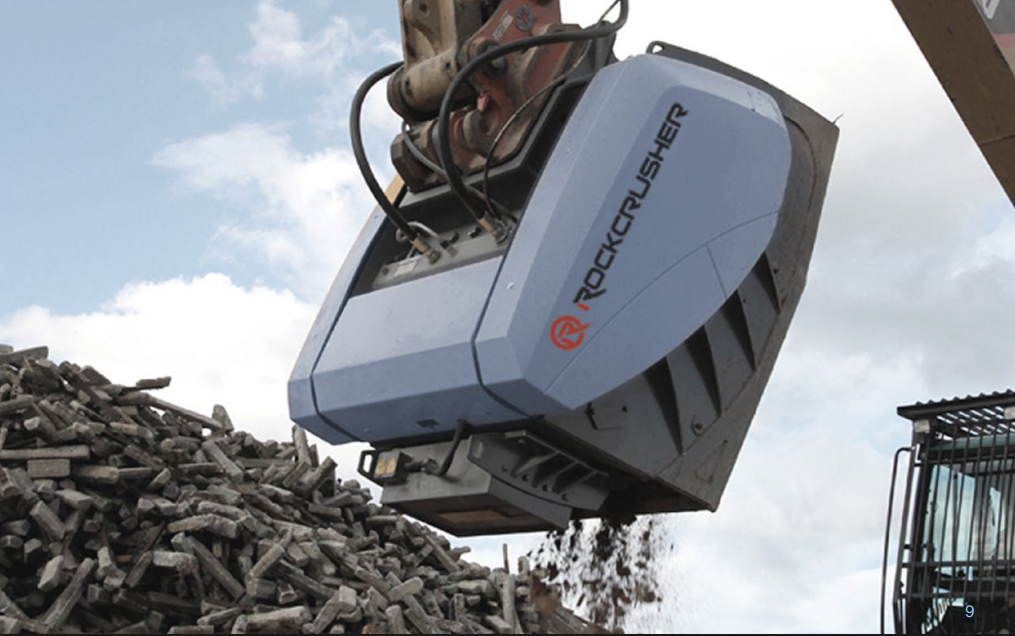
If your projects are getting larger or your business is expanding, an excavator-mounted crusher bucket could be a better long-term solution. It offers more power, greater efficiency, and a better return on investment compared to smaller skid steer setups.
More power and capacity
Excavator crusher buckets handle larger, tougher material like reinforced concrete, dense stone, and block. With more hydraulic force and larger machine size, they easily outperform compact loaders.
Higher output per hour
Skid steers typically crush 8 to 25 cubic yards per hour. Excavator buckets can handle 50 to 150+, helping you finish larger jobs faster and more efficiently.
Designed for heavy-duty jobs
From commercial demolition to asphalt recycling and rock processing, these attachments are built for high-volume crushing with fewer cycles and less wear.
Better material quality
You’ll get more uniform, cubical aggregate, which is easier to compact, reuse, or resell — saving time and adding value to your site work.
Lower maintenance and strong ROI
Heavier-duty components and fewer crushing cycles per ton mean less maintenance and longer attachment life. That leads to lower costs over time and better profitability.
If you're ready to handle more material, reduce downtime, and grow your operation, an excavator crusher may be the right step forward.
Why Contractors Are Upgrading to the RockZone Rockcrusher
If your current attachment isn’t keeping up, it might be time for a serious upgrade. The RockZone Rockcrusher is built for high-volume crushing of concrete, rock, asphalt, brick, and block—right on the job site.
Engineered for excavators, this crusher attachment delivers serious performance with:
- XXL jaw plates and Quattro Movement for higher output and cubical material
- Reverse crushing function to clear jams quickly
- Rugged, low-maintenance design with replaceable wear parts
- Models sized for 12 to 35+ ton carriers
Whether you're working in demolition, site prep, or recycling, the Rockcrusher is built to keep your team moving efficiently.
More than just rockcrushers
RockZone Americas offers a full lineup of material-handling solutions, including Rockwheels, Soil Mixers, Rockscreeners, and Cutter Buckets—all crafted to help you move faster and get more done with less downtime.
Ready to learn more? Call our team for product details, pricing, or to request a demo.
Conclusion
For smaller jobs or tight-access sites, a skid steer crusher bucket offers an efficient way to crush concrete, brick, and stone using the equipment you already own.
If your projects are growing or materials are more demanding, an excavator-mounted Rockcrusher delivers higher output, better efficiency, and greater long-term value.
Frequently Asked Questions
What is a skid steer bucket used for?
A skid steer bucket is a go-to tool for moving, loading, grading, and clearing material like concrete, rock, brick, stone, asphalt, and debris. With the right attachment, such as a concrete crusher, it can also crush and recycle material right on site.
Whether you're prepping for construction or cleaning up after demolition, it's a versatile solution for compact machines.
How much does a 72-inch skid steer bucket hold?
A 72-inch skid steer bucket typically holds about 0.5 to 0.75 cubic yards of material, depending on density. That’s enough for roughly 1,000 to 1,500 pounds of concrete, stone, or block. It’s a solid capacity for everyday use, balancing volume with maneuverability on tight-access sites.
What is the 70/30 rule for skid steers?
The 70/30 rule suggests using about 70% of your skid steer's rated capacity during most tasks, leaving a buffer for stability and safety.
It’s especially helpful when handling heavy attachments or dense material like rock or asphalt, helping extend your machine’s lifespan and maintain control on tough jobs.
Is a skid steer concrete crusher good for asphalt?
Yes. A skid steer concrete crusher can process asphalt just as efficiently as it handles concrete or stone. This is especially useful for road repair and resurfacing jobs where reclaimed asphalt can be reused immediately on site.
What's the difference between a concrete crusher and a hog crusher?
A hog crusher is a type of concrete crusher often used with skid steer loaders to recycle material like brick, block, asphalt, and concrete.
The term "hog crusher" is sometimes used generically, but not all crushers are built the same. Key differences usually lie in design, output size control, and material throughput.