
Self Compacting Fill: A Smarter Way to Backfill
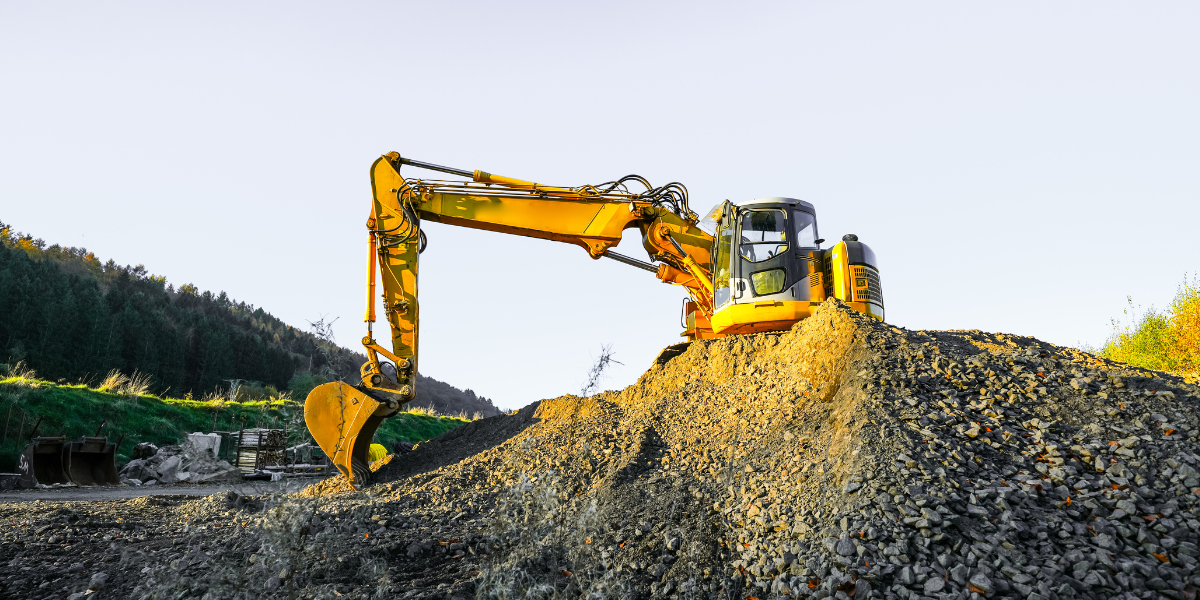
Backfilling is one of the most time-consuming parts of construction. Compacting soil in lifts, managing vibration, and hoping for even settlement can delay projects and add risk. That’s why self compacting fill has become a go-to solution on many jobsites.
It flows into place, fills voids completely, and hardens without the need for vibration or mechanical compaction. When paired with precise excavation using tools like RockWheels, its advantages are even more noticeable—faster progress, less labor, and more consistent results.
This guide covers what self compacting fill is, why it works, where it fits best, and what to know before using it. If you want a smarter backfill approach, start here.
Key Takeaways
- Self compacting fill speeds up backfill by eliminating the need for mechanical compaction.
- It flows easily into place, making it ideal for tight spaces and complex shapes.
- With the right mix and prep, self compacting fill delivers consistent, low-labor results.
What Is Self Compacting Fill?
Self compacting fill is a highly flowable, cementitious material used as an alternative to traditional compacted soil. Also known as flowable fill, controlled low strength material, controlled density fill, self consolidating concrete, and self compacting concrete, it’s designed to fill voids without the need for mechanical compaction.
Unlike granular fill, crushed stone, or crushed rock, it doesn’t need to be placed in lifts or compacted. Once poured, it flows like a fluid, fills gaps around concrete pipe, foundations, and other structures, and hardens to a low but reliable strength.
Mix designs typically include cement, sand, water, and often fly ash to enhance workability. These proportions are adjusted to meet specific project needs, balancing density, unit weight, and final strength.
Why it works
Self compacting fill offers several key advantages:
- Highly flowable and self leveling
- No vibration or compaction equipment required
- Uniform dumped density with minimal voids
- Controlled strength for both stability and future excavations
- Performs well in tight or inaccessible areas
It’s ideal for conditions where compacting soil is difficult or risky, such as utility trenches, underground tanks, or near protected walls. With minimal effort, crews can achieve consistent results—especially when paired with precise excavation tools that limit over-digging and reduce fill volume.
Why Contractors Use Self Compacting Fill
Contractors across utility, infrastructure, and commercial projects continue to choose self compacting fill for its efficiency, reliability, and flexibility on complex sites.
Faster installation
Unlike traditional compacted soil, which requires multiple lifts, compaction passes, and field tests, self compacting fill is placed in a single pour. Its ability to self level and flow into place reduces placement time and helps meet tighter schedules.
Lower labor costs
Self compacting fill eliminates the need for specialized equipment and the teams required to operate it. Without the need to compact soil, crews can focus on placement and finishing, which lowers labor costs and speeds up production.
Better for tight or inaccessible spaces
It’s especially useful in utility trenches, pile excavations, and areas around underground tanks, where traditional compaction is difficult or unsafe. The material’s ability to reach and fill tight spaces with minimal effort gives contractors more options for filling inaccessible areas.
Safer for surrounding structures
Self compacting fill does not create vibration during placement, making it ideal for work near retaining walls, pipes, and older structures. Reducing vibration helps prevent damage and minimizes the risk of shifting or settlement.
Consistent density and long-term performance
Because it flows uniformly and fills all voids, the resulting dumped density is consistent from top to bottom. This reduces the chance of settlement or weak spots—an issue often caused by inconsistent compaction of other backfill materials.
Best Use Cases for Self Compacting Fill
While self compacting fill isn’t designed to replace every backfill method, it excels in situations where speed, precision, and stability matter most.
Utility trenches
Backfilling around pipe networks requires full surface contact to prevent movement and maintain structural integrity. Self compacting fill improves the bedding factor and eliminates air pockets, reducing the risk of pipe damage or settlement.
Retaining walls and foundation support
Compacting next to a wall increases lateral pressures, which can lead to cracking or shifting. Self compacting fill reduces that risk by eliminating the need to require vibration during placement. It also works well for foundation support in areas where maintaining wall integrity is critical.
Pile excavations and drilled shafts
Narrow, deep spaces like pile excavations are difficult to compact effectively. Self compacting fill flows into place easily, supporting the structure while avoiding the safety hazards of equipment in confined spaces.
Bridges and infrastructure
For backfilling around abutments, approach slabs, or behind retaining systems on bridges, consistent density and reduced settlement are key. Flowable materials help meet performance specs while simplifying placement.
Filling inaccessible or irregular areas
Whether you’re stabilizing voids beneath slabs or addressing non-uniform excavation, self compacting fill adapts to virtually any shape. Its flowable fill properties make it ideal for irregular or hard-to-reach zones, especially where formwork is limited.
In these use cases, self compacting fill often outperforms granular fill, crushed rock, or unshrinkable fill by offering better flow, easier placement, and more predictable results.
Pro Tips for Working With Self Compacting Fill
Self compacting fill makes backfill faster and easier, but the right planning ensures it performs as expected. Here’s how to get the best results.
Get the mix right
A balanced mix should flow easily without separating. Adjust the ratio of cement, sand, water, and fly ash based on site conditions and placement method. Mixes that are too wet may settle or lose strength, while stiffer mixes can reduce flow or clog equipment.
Account for lateral pressures
Like flowable fill, self consolidating concrete, or flowable mortar, this material acts like a liquid. It can create lateral pressures during placement, especially near formwork, walls, or other structures. Monitor placement rate and volume to avoid shifting or damage.
Use formwork when needed
In open or shallow areas, some formwork may be required to contain the fill. Because the material is highly flowable, it will follow gravity and spread unless controlled.
Match mix to strength and density needs
Most applications call for low strength material, but when used as structural fill or in areas needing maximum density, the mix may need to change. Be clear on project goals, especially where future excavation or foundation support is a factor.
Choose the right placement method
Depending on the job, self compacting fill can be placed using a pump, bucket, or chute. For long distances or limited access, verify the mix is pumpable to prevent flow issues or delays.
Test and measure performance
Run field tests to check flowability, density, and strength. These checks help confirm the material will perform as intended and allow you to determine any adjustments before full installation.
With the right prep, self compacting fill can improve performance across many types of projects, from pipe bedding to gravel backfill and beyond. The key is adapting your mix and method to meet site and material needs.
How RockZone Makes Backfill Prep Smarter
Self compacting fill performs best when excavation is accurate and controlled. RockZone Americas helps contractors reduce over-digging, improve material handling, and get better results from every pour.
- RockWheels deliver clean, precise cuts through soil, gravel, and concrete, creating consistent trench shapes that reduce backfill volume and support efficient pipe installation.
- RockCrusher allows crews to crush crushed stone, concrete, and site materials on location, helping produce usable aggregates for flowable fill or low strength material while reducing hauling and disposal.
- RockScreener sorts sand, gravel, and other materials to improve mix consistency, density, and overall performance, making it easier to meet project tests and specifications
These attachments give contractors greater control over materials and site prep across a wide range of projects, from utility work to infrastructure jobs.
Looking to improve your self compacting fill results? Contact RockZone Americas to see how we can support your next job.
Conclusion
Self compacting fill has changed the way contractors approach backfill. By eliminating mechanical compaction, it reduces labor, shortens timelines, and delivers consistent results, especially in tight or sensitive areas.
But performance still depends on proper planning, mix design, and clean excavation. When materials are well managed, self compacting fill offers reliable, repeatable results across a wide range of applications.
With tools like RockWheel, RockCrusher, and RockScreener, contractors can streamline prep, control materials on-site, and get the most out of every pour. It's a smarter, faster way to backfill—built for today's job sites.
Frequently Asked Questions
What is self-compacting fill?
Self-compacting fill is a flowable backfill material that doesn’t require mechanical compaction. Also known as flowable fill, self consolidating concrete, or controlled low strength material, it’s typically made from cement, sand, water, and fly ash. It flows easily, fills voids, and hardens to a low but stable strength.
What's the best method for compacting fill?
For self compacting fill, no compaction is needed. It settles naturally and achieves near maximum density without vibration. Traditional soil or crushed stone still requires compaction in lifts, but flowable materials simplify the process and improve consistency.
When should I use flowable fill?
Use flowable fill when space is tight, time is limited, or uniform results are essential. It’s ideal for backfilling around utilities or under pavements where compacting soil is difficult. It reduces labor and delivers consistent density with minimal effort.
What’s the difference between self consolidating concrete and self compacting fill?
Self consolidating concrete is a high-strength mix used for structural elements. Self compacting fill is a low strength material used for backfill. Both are flowable, but they serve different purposes—one supports structures, the other fills space efficiently and can be excavated later.