
How to Separate Clay From Soil for Better Excavation and Material Control
Starting an excavation project only to hit a sticky, compact mess is frustrating. Knowing how to separate clay from soil for better excavation and material control improves drainage, compaction, and overall jobsite performance. Simply put, it means isolating fine clay particles from sand, gravel, and debris so each material can be managed properly.
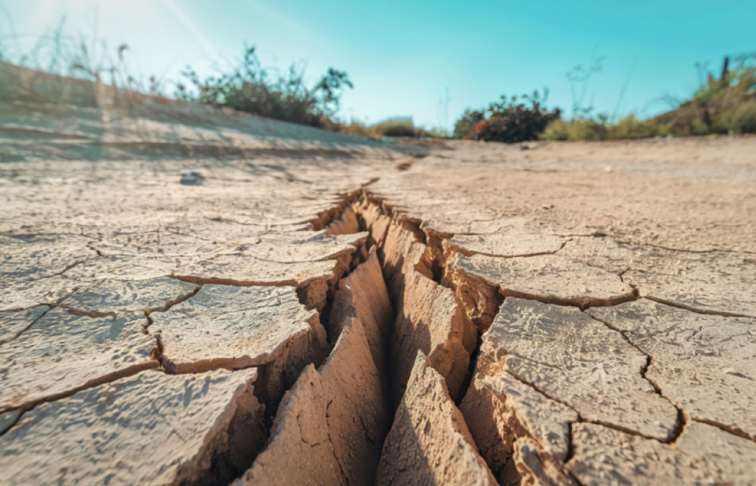
Clay behaves very differently from sandy soil or gravel. Its tightly packed particles react quickly to moisture. Wet clay turns into heavy mud that clings to buckets and attachments. Dry clay hardens almost like concrete. That combination can slow excavation, clog equipment, and complicate fill operations.
In this guide, we’ll cover practical separation methods, from small-scale testing to mechanical solutions for larger volumes, so you gain better control, better material quality, and fewer surprises on site.
Key Takeaways
- Separating clay from soil improves drainage, compaction, and overall excavation control.
- Simple field tests and on-site screening help identify clay content before it becomes a problem.
- Using the right excavation attachments makes clay-heavy ground more manageable and efficient to process.
Understanding Clay in Mixed Soil Conditions
Before separating clay, you need to know what is in your ground.
Soil contains sand, silt, clay particles, gravel, and organic material. Clay particles are the smallest, which allows them to pack tightly and hold moisture. That is why clay behaves differently from sandy soil.
A simple bucket test with a water mixture shows how separation works. After you stir and let it sit, heavier particles like sand and gravel sink first. Sand settles quickly, while clay suspended in water takes longer. You will often see two layers form, with heavier material below and finer clay and silt above.
Clay content can vary widely. Some areas may be half clay, while others contain small amounts of natural clay mixed with fine sand. Identifying how much clay is present helps determine the right separation process.
Mixed excavation material may also contain rocks and other foreign material. Removing these improves fill quality and overall site performance.
When and Why You Need to Separate Clay From Soil
Separating clay becomes necessary in several practical construction scenarios.
Preparing for fill or backfill
Clay-heavy fill behaves differently during compaction. A clay body with too much moisture may not compact consistently. If excess water is present, compaction can fail or require additional passes. Removing excess water, isolating clay, or blending it correctly helps produce better clay performance in controlled applications.
Improving drainage
Clay restricts water movement. When preparing ground for foundations, utilities, or structural slabs, isolating clay from more permeable material improves drainage performance and long-term stability.
Material reuse and on-site processing
Excavation often produces mixed piles of dirt, sand, rocks, and clay. Instead of hauling everything off-site, crews can separate clay from reusable granular material. Screening and controlled processing improve the quality of reusable fill and reduce waste.
Soil testing and evaluation
In some cases, teams process wild clay samples to evaluate clay content before deciding on stabilization methods. Using a wet method or small-scale wet processing test allows you to see how much clay is present and how it behaves with moisture.
Understanding how to separate clay from soil gives you greater control over material handling decisions. It reduces unnecessary transport, improves fill quality, and supports more efficient excavation planning.
Manual Wet Processing: Small-Scale Testing Method
For small batches or field checks, the wet method helps you evaluate how clay behaves in your ground. It is not suited for large-scale production, but it works well for testing natural clay on site.
Step 1: Break up and add water
Place soil in a bucket and remove large stones, rocks, and excess organic material. Break apart compacted dirt so smaller soil particles are exposed.
Gradually add water and stir until you create a thin clay slurry. The mixture should be fluid enough for clay to suspend while heavier sand begins separating.
Step 2: Let it settle
Allow the bucket to sit undisturbed. Sand settles first, followed by silt. Fine clay remains suspended longer. You will often see a bottom layer of heavier material and a lighter top layer containing suspended clay.
Settling time depends on clay content and particle size.
Step 3: Slowly pour off excess water
Once clearer water forms at the top, slowly pour it off without disturbing the settled layer. Repeat as needed to remove excess water and thicken the clay slurry.
Step 4: Dry the clay
When most water is removed, pour the remaining slurry into a bed sheet or breathable fabric. As water evaporates, the clay begins to form a workable mass. Once it reaches a plastic consistency, it is clay ready for evaluation or blending.
This wet processing method helps isolate clay for testing before making larger excavation or material decisions.
Dry Processing: When Moisture Is Not an Issue
If the soil is already dry, spread it in the sun and allow the remaining moisture to evaporate. Break apart clumps into smaller fragments, sometimes resembling powdered clay.
Screen the dried material through a window screen to remove larger debris. Dry processing provides a quick estimate of clay content, but it does not separate fine clay as effectively as the wet method.
Challenges of Working With Clay-Heavy Soil
Clay creates distinct challenges on active jobsites, especially when conditions shift between wet and dry.
When wet, clay turns sticky and clings to buckets and attachments. That buildup slows production and reduces efficiency. When dry, clay can harden almost like concrete, requiring more force to break and move. The same ground can behave completely differently depending on moisture levels.
Clay-heavy soil also complicates material handling. Mixed piles of dirt, sand, silt, and clay become difficult to manage. Fine clay can coat small particles and bind sand together, reducing separation quality. Organic matter and debris in the mix further impact performance.
Because clay particles are so fine, they remain suspended longer in wet conditions and compact tightly when dry. That variability affects how material moves, settles, and responds to equipment. Understanding how clay behaves allows crews to plan more effectively and reduce unnecessary downtime.
Mechanical Separation on Active Construction Sites
Manual testing methods help evaluate clay content, but large-scale excavation requires mechanical solutions.
When separating clay from mixed soil in volume, screening and sorting attachments become essential for improving material control.
Screening buckets
Screening buckets allow crews to screen material directly on site. Larger debris, rocks, and oversized material can be separated from finer soil. This improves overall material quality and helps isolate clay-heavy portions from cleaner granular fill.
Sorting buckets
Sorting attachments provide more precise material handling. Instead of hauling mixed dirt off site, crews can separate clay-dense material from sand and other reusable components. This supports better compaction and drainage planning.
Crusher buckets
When clay is mixed with broken concrete or demolition debris, crusher buckets reduce large chunks into reusable aggregate. This streamlines the process and limits unnecessary waste.
Drum cutters
In dense clay conditions, precision tools like drum cutters allow controlled excavation. Rather than aggressively tearing through ground, crews can cut and profile material cleanly and accurately.
Mechanical processing improves efficiency, reduces transport needs, and keeps excavation organized and intentional.
Best Practices for Managing Clay During Excavation
Beyond separation, smart management improves results.
Time your work
Moisture has a direct impact on clay performance. Excavating when ground is overly wet leads to sticking and compaction issues. Allowing the surface to dry slightly under the sun often improves productivity.
Work in controlled layers
Removing soil layer by layer provides better visibility and control. This approach reduces instability and helps maintain consistent grading.
Keep material organized
Separate clay-heavy soil from cleaner granular material early. Once mixed together, separation becomes more difficult and reduces reuse options.
Blend strategically
In some cases, fully removing clay is not necessary. Controlled blending with sand or other suitable material may improve performance. The key is understanding clay content and managing it intentionally rather than reacting to it.
When clay is handled deliberately, excavation becomes more predictable, efficient, and controlled from start to finish.
How RockZone Americas Supports Smarter Clay Management
Separating clay is one thing. Controlling it at scale is another.
At RockZone Americas, we provide attachments built for tough ground conditions. Our Rockwheel drum cutters deliver precise excavation in dense clay, helping crews cut and profile without excessive force.
For on-site separation, Rockscreener screening buckets allow you to separate sand and reusable material from clay-heavy soil. Rocksorter sorting buckets improve material classification and pile management. When clay is mixed with broken concrete, Rockcrusher crusher buckets process debris into reusable aggregate.
The goal is not producing pure clay for pottery or firing. It is improving excavation efficiency and material control.
If clay-heavy ground is slowing your project, call RockZone Americas and put the right attachment to work.
Conclusion
Knowing how to separate clay from soil improves excavation efficiency, compaction control, drainage performance, and material reuse.
Small-scale wet testing helps you understand how clay behaves in mixed ground. Dry screening can provide quick field insight. But when projects move into full production, mechanical separation with the right attachments becomes the practical solution.
Clay-heavy ground will always impact how material performs. By managing it intentionally and using proper screening, sorting, cutting, and crushing equipment, you reduce rework, improve material quality, and keep your site organized.
With the right approach and the right attachments, separating clay becomes part of a smarter, more controlled excavation strategy.
Frequently Asked Questions
How to extract clay from soil?
Place soil in a bucket and remove rocks and excess organic matter. Add water and stir until it forms a thin slurry. Let it settle so sand drops first while clay remains suspended. Carefully pour off excess water and repeat as needed.
Allow the remaining material to dry to a plastic consistency. This helps evaluate natural clay before making excavation decisions.
What breaks down hardened clay?
Hardened clay forms when moisture leaves tightly packed particles. Reintroducing water gradually softens it. In field conditions, controlled mechanical excavation is often the most effective solution.
Blending clay with sand can also improve workability and reduce stiffness.
How do you improve a clay body for better performance?
Improving a clay body in construction means controlling moisture and removing organic matter. Screening debris and blending with sand creates more consistent material.
The focus is stability and compaction performance, not producing pure clay for pottery or firing.
How can you identify natural clay in the ground?
Natural clay feels smooth and sticky when wet and hard when dry. In a bucket test, it forms a thin slurry and stays suspended longer than sand.
Observing how it reacts to moisture helps determine clay content and guides excavation planning.