
Earth Excavation: Types, Tools, and What You Need to Know
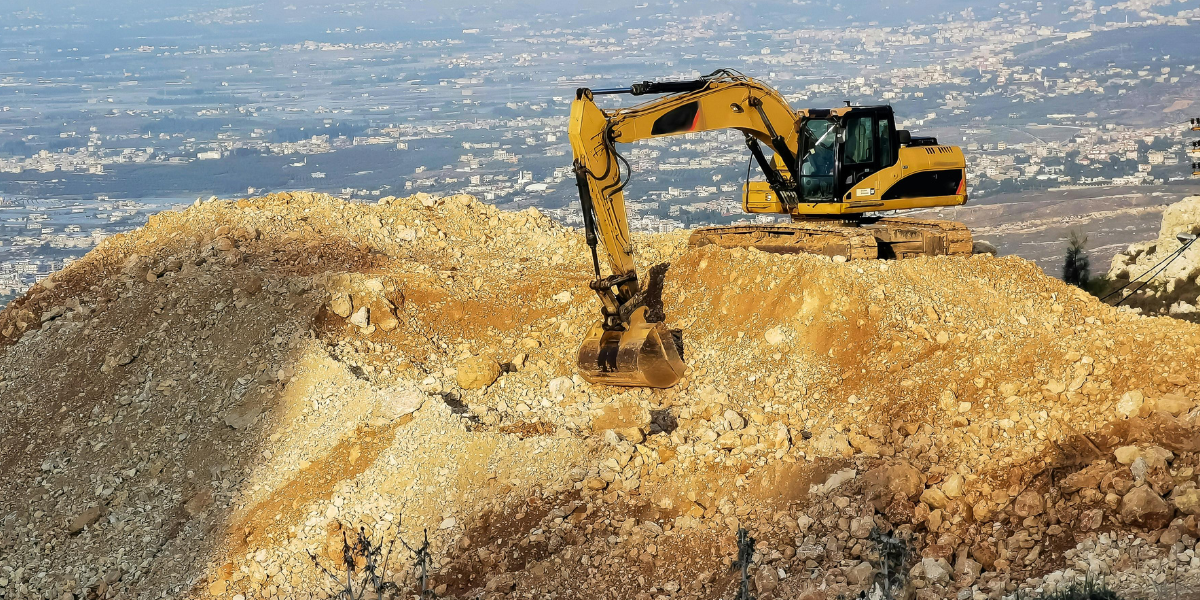
When people think of construction, they picture cranes and concrete, but none of it happens without excavation.
Earth excavation is the first and most important step. From site preparation to digging for foundations, underground structures, and utility lines, it sets the stage for everything that follows.
Rock excavation adds another layer of complexity. Hitting bedrock or boulders requires specialized tools and hydraulic breakers, or risk blowing your budget and timeline.
In this guide, we cover everything you need to know about earth excavation—types, tools, safety tips, and smart planning. Let’s dig in.
Key Takeaways
- Every strong construction project starts with solid earth excavation and smart planning.
- The right equipment and technique turn tough soil and rock into a workable foundation.
- Safe, precise earthwork keeps your project on schedule and built to last.
What Is Earth Excavation?
At its core, earth excavation is the process of removing material, usually soil, sand, gravel, or other materials, from the earth's surface to prepare a construction site for building.
This isn’t just a one-size-fits-all process. Depending on the soil type, depth, and the kind of structures involved, different methods are used. It may include basic digging for footings, creating trenches for underground utilities, or reshaping land to improve drainage and meet environmental standards.
Whether you are working on a residential build or tackling major construction projects, earth excavation is a critical first step that helps ensure the stability and safety of everything that follows.
Why Earth Excavation Is the First (and Most Critical) Step
You can't build on unstable ground. Proper earthwork lays the foundation for a safe, successful construction project.
Here’s why it matters:
Safety: Without solid excavation work, structures can shift or collapse. Risks like cave-ins, unstable soil, or nearby underground utilities require the right equipment and strict safety measures.
Drainage: Excavation supports proper grading and water flow, helping prevent costly water damage at the construction site.
Stability: A well-prepared site handles the weight of foundations, roads, and other structures, especially when dealing with topsoil excavation, muck excavation, or borrow excavation.
Whether you're working in a large area or tackling tight spaces, good planning and the right machinery set the stage for everything to follow.
Types of Earth Excavation (And When You Need Each One)
Not all excavation is the same. Depending on the construction project, soil type, and site conditions, different methods are used to handle specific tasks. Here are the most common types of earth excavation and where they fit best.
Topsoil excavation
This removes the soft upper layer of soil, clearing space for site preparation. The excavated materials are often reused for landscaping or to plant trees.
Earth excavation
Used to dig below the topsoil, this method creates room for foundations, drainage, and grading. The material is often repurposed around the work site.
Cut and fill excavation
This levels uneven land by cutting high spots and using that material to fill low areas. It’s common in road work and large-scale grading projects.
Trench excavation
A narrow excavation used for trenches that hold underground utilities or pipes. Deep trenches need proper safety protocols to prevent cave-ins.
Basement excavation
This digs out a large area below ground level for basements or underground structures. It requires heavy equipment and close attention to safety measures.
Borrow excavation
When on-site soil isn’t usable, crews bring in other materials like gravel or sand from another location to support foundations or fills.
Muck excavation
Muck is a messy mix of soil and water. It’s removed or treated to create a stable base that can support heavy machinery and structures.
Each method serves a specific purpose, whether it’s clearing, leveling, or supporting the build. Choosing the right type keeps your excavation work safe, efficient, and aligned with your project’s goals.
The Excavation Process: Step-by-Step
Every construction project involving excavation follows a clear sequence. Whether you're starting with a shovel or using heavy equipment, here’s how the process typically unfolds.
Step 1: Site assessment
Before digging, crews assess the soil type, check for underground utilities and other underground structures, and consider any environmental factors. This helps guide equipment selection and avoid delays.
Step 2: Ground tracing and marking
Crews use laser tools and ground paint to mark out trenches, footings, and structures. Accurate layout is essential for trench excavation, footing excavation, and similar tasks.
Step 3: Clearing and grubbing
Vegetation, trees, and debris are cleared from the earth’s surface to prepare the site for safe excavation work.
Step 4: Excavation work
Now the real work begins. Crews use powerful machines like excavators, bulldozers, and loaders to start removing material. Depending on the project, this may include rock excavation, grading, or narrow excavation near other structures.
Step 5: Material management
Excavated materials are either reused on-site or hauled away. Some are stored for use in grading, backfill, or other purposes.
Step 6: Final grading
Once excavation is done, the ground is leveled or sloped to support proper drainage and prepare for building.
Each step supports the next, ensuring the site is stable, safe, and ready for construction. With the right equipment, careful planning, and trained crews, this process sets the foundation for success.
Tools and Equipment for Earth Excavation
In any excavation job, the right equipment makes all the difference. From moving soil to removing material, these powerful machines are key to getting the job done efficiently and safely.
Excavators
These powerful machines are a staple on any construction or earthwork site. Their long arm and bucket allow for deep trenching, precise removal, and general digging work.
- Crawler excavators: Ideal for tough terrain or uneven land.
- Wheeled excavators: Perfect for paved surfaces and tight spaces.
- Mini excavators: Best for compact sites and specific functions like landscaping or light footing excavation.
Backhoes
These are highly versatile machines with a digger at the back and a loader in front. Often used for narrow excavation, small trenches, and utility digging. Their compact size makes them a good fit for suburban or constrained work areas.
Bulldozers
Built for moving soil, grading, and clearing material quickly. Often used during the early stages of larger construction or earthwork operations.
Loaders and dump trucks
These handle the bulk of excavated material transport. Loaders scoop up and load soil, while dump trucks haul it to other locations or off-site. Essential for efficient material flow and staging across projects.
Specialized equipment
Some tasks require more than standard machinery. Here’s where specialized equipment comes in:
- Hydraulic breakers: Used in rock excavation or when breaking up concrete and bedrock.
- Rippers: Ideal for loosening compacted soil before removal.
- Crushers and screeners: Useful for recycling excavated materials, separating out usable fill or preparing materials for other purposes like backfill or stabilization.
- Dredging equipment: Employed for excavation in or near water, especially when removal below the waterline is required.
With the right tools, trained equipment operators, and careful planning, even complex projects involving trenching, drilling, or grading can stay on track and meet safety goals.
Safety First: Excavation Hazards and How to Avoid Them
Working below ground level brings serious risks, no matter the construction size. To keep teams safe, professionals follow proven protocols across many projects.
- Cave-ins: Avoided with trench boxes, shoring, and soil monitoring during trench excavation.
- Falling debris: Workers wear helmets, high-vis gear, and steel-toe boots.
- Underground utilities: Detection tools help crews steer clear of pipes, wires, and other areas below the surface.
- Fall protection: Crews are trained on safe access, equipment use, and emergency procedures.
- Environmental considerations: Erosion control, runoff management, and site cleanup reduce impact on the surrounding land.
From excavators to drilling rigs, using the right tools and safety systems helps prevent accidents and keeps the project moving without costly delays.
Planning and Budgeting for Earth Excavation
Whether you're digging for a backyard project or a commercial build, solid planning makes excavation smoother and more cost-effective.
Key cost factors
- Soil type and ground hardness
- Depth, volume, and complexity of the excavation
- Need for specialized equipment like rock breakers or dredging tools
- Hauling, removal, or reuse of material
- Access to the site and potential weather delays
Tips to stay on track
- Start with a detailed site survey
- Build in a budget buffer for surprises
- Align excavation with the full construction timeline
- Hire skilled crews and trained equipment operators
With careful planning, even complex earthwork becomes manageable. You’ll save time, control costs, and avoid missteps that could stall your project before it gets off the ground.
When Earth Turns to Rock: What to Know About Rock Excavation
Excavation may start with soil, but on many construction sites, crews eventually run into rock. This is when standard earthwork becomes rock excavation, and the approach has to change.
You’ll know you’ve hit it when progress slows and even the best excavators struggle. Rock isn't just another layer of ground—it's a different challenge that calls for the right tools and strategy.
Common methods for rock excavation
- Drilling and blasting: Used for large areas where precision is less of a concern. This is one of the most effective ways to break through dense rock formations.
- Hydraulic breakers: Ideal for more controlled removal, especially in populated or sensitive projects where noise and vibration matter.
- Mechanical splitting or ripping: Used when explosives aren't an option and the rock is fractured enough to break apart with pressure.
There are different types of rock, each requiring its own method. Whether you're excavating for foundations, utilities, or site leveling, handling rock means reassessing your plan, updating your equipment, and often extending your timeline.
Having the right attachments and understanding how to adapt your earthwork methods can keep your project moving, even when the ground gets tougher.
How RockZone Americas Helps You Dig Smarter
Every job site has its challenges. From compacted soil to solid rock, RockZone Americas provides the tools to keep your earthwork and excavation projects moving with less downtime and more precision.
Our excavator attachments are built for specific tasks across many construction environments:
- RockWheels handle precise trench excavation, frozen ground, and tight spaces where vibration must be kept to a minimum
- RockCrushers turn excavated material into usable backfill, cutting transport costs and improving efficiency
- RockScreeners separate soil, gravel, and debris for faster processing in other areas of the site
These tools are simple to attach, easy for equipment operators to control, and designed to perform in tough conditions. Ready to dig smarter and streamline your next project? Call us to find the right solution for your crew.
Conclusion
Earth excavation is the starting point for every successful construction project. It is not just about digging or moving soil. It is about building a solid, well-planned foundation that supports the work ahead.
From trench excavation to cutting through solid rock, this phase covers many tasks within the broader field of earthwork. Each step depends on the right tools, experienced excavators, and clear planning.
Across all project types and soil conditions, excavation shapes the site and the outcome. Getting it right at ground level is what helps the rest of the job go smoothly.
Frequently Asked Questions
What is earth excavation?
Earth excavation is the removal of soil, rock, or other materials from the ground to prepare a construction site. It’s a critical step in shaping the land for foundations, trenches, and drainage systems. Using tools like excavators, this process ensures a stable base for building.
What are the different types of earthwork?
Earthwork is a broad term covering several excavation types. These include topsoil and earth excavation for grading and foundations, trench excavation for utilities, and rock excavation for harder ground. Other types like muck or borrow excavation are used based on soil conditions and project scope.
What is the 5 rule of excavation?
According to OSHA, trenches deeper than 5 feet must use protective systems to prevent cave-ins. This includes trench boxes, shoring, or sloping to keep workers safe and meet construction safety standards.