
Best Foundation for Clay Soil: What Actually Works
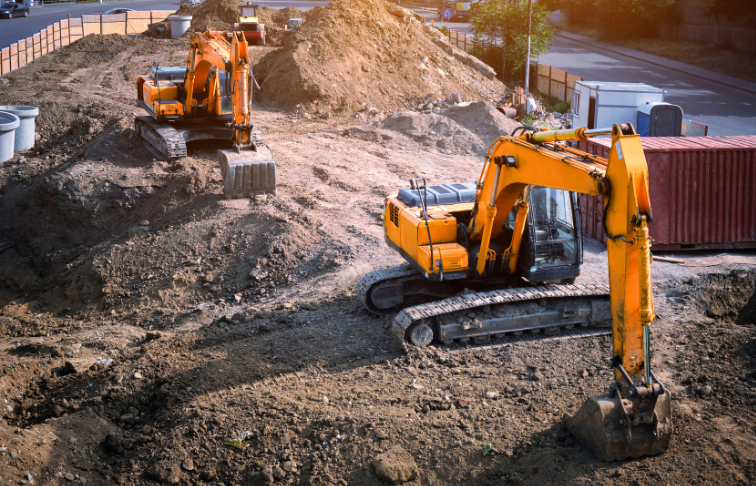
Building on clay soil can feel risky. Cracked walls, uneven floors, and sticking doors are all signs of soil movement at work. Choosing the best foundation for clay soil is not about pouring concrete and hoping it holds. It requires understanding expansive clay soil, accounting for soil expansion, and preparing the ground correctly.
At RockZone Americas, we support contractors dealing with challenging soil conditions every day. From trenching for concrete piers to precision excavation for a grade beam foundation, we know the right foundation solution starts long before the concrete cures.
In this guide, we break down the best foundation options for clay soil, explain how expansive soil behaves, and show how proper preparation delivers stability and long-term peace of mind.
Key Takeaways
- The best foundation for clay soil depends on soil conditions, active zone depth, and proper engineering.
- Controlling moisture and drainage is just as important as choosing the right foundation type.
- Proper excavation and site preparation are critical to preventing cracking, uneven settlement, and costly repairs.
What Makes Clay Soil So Challenging?
Clay soil behaves very differently from sand or gravel. Expansive clay soil absorbs moisture when wet and shrinks when dry. These shifts in moisture content drive soil movement and place stress on a foundation, often leading to cracking and uneven settlement.
Expansive clay soil and the active zone
The main concern is the active clay layer, or active zone. This is the portion of expansive soil that expands and contracts as moisture levels change. After heavy rain, the clay swells. During dry periods, it shrinks. That repeated cycle causes foundation movement and can result in structural damage if not properly addressed.
Expansive clay is common in many parts of the United States. Whether for a home or commercial building, identifying how deep the active clay layer extends is critical to selecting the best foundation solution.
Common foundation problems on clay
When traditional foundations or shallow foundations ignore clay content and soil conditions, foundation problems often follow:
- Cracking in foundation walls and concrete slab surfaces
- Uneven settlement across a slab foundation
- Sticking doors and windows from structural movement
- Stress on floor joists or rigid frame systems
- Structural damage that leads to costly repairs
Most of these issues stem from poor foundation engineering, inadequate drainage, or choosing foundation types that do not match the soil type.
Factors to Consider Before Choosing the Best Foundation
There is no single solution that works for every site. The best foundation depends on specific soil conditions and structural demands.
Soil type and clay content
Not all clay behaves the same. A geotechnical evaluation helps determine how deep the active clay layer extends and whether stable strata or bedrock are accessible below.
Some sites reach firm ground within a few feet. Others require deeper systems with piers to transfer building weight below the active zone. Understanding soil type reduces the risk of uneven settlement and foundation movement.
Moisture content and drainage
Moisture drives soil expansion. Without proper grading and good drainage, water can collect around a home’s foundation, increasing swelling and ground movement.
Gravel backfill, proper grading, and drainage systems help control moisture content and protect the structure from long-term foundation problems.
Building weight and structural design
A light residential structure behaves differently than a heavy commercial building with a rigid frame. The home’s weight, square foot footprint, and load distribution all influence the right foundation solution.
Choosing the best foundation means aligning structure design, soil conditions, and drainage strategy to create long term support and stability on challenging clay soil.
Foundation Types for Expansive Clay Soil
Now let’s look at how different foundation types perform in expansive soil and where each foundation solution makes sense.
Post-tensioned slabs
A post-tensioned slab is one of the most widely used systems on clay soil. Unlike a basic concrete slab, post-tensioned slabs use steel cables that are tensioned after the concrete cures. This creates compression within the slab, helping it resist cracking caused by soil movement.
These slab systems distribute building weight across the ground while offering more flexibility than traditional poured concrete.
Advantages:
- Improved resistance to cracking
- Performs well in moderate expansive soil
- More cost effective than deep pier systems
Limitations:
- Still dependent on proper soil preparation
- Less effective in very deep active zones
When designed correctly, post-tensioned slabs can provide excellent stability for many residential projects on expansive clay.
Grade beam foundation with concrete piers
A grade beam foundation supported by concrete piers is often a stronger solution when soil movement is more severe. In this system, concrete piers extend below the active zone into firm ground or stable strata. The grade beam connects the piers and supports the structure above.
Because the load transfers deeper into solid ground, this system reduces the impact of soil expansion at the surface.
Why it works:
- Piers anchor below the active clay layer
- Reduces uneven settlement
- Provides reliable support in challenging soil conditions
This approach is common for both residential and commercial building projects where soil conditions are less predictable.
Pile foundation systems
When expansive clay is deep or highly reactive, a pile foundation may be the best foundation solution. Piles or drilled piers extend down to bedrock or other stable strata, bypassing the expansive soil entirely.
Advantages:
- Transfers building weight below the active zone
- Minimizes foundation movement
- Ideal for heavy structures
Considerations:
- Higher upfront cost
- Requires careful foundation engineering
For severe soil expansion, this system creates long-term stability by removing dependence on surface soil behavior.
Raft foundations
Raft foundations, also known as mat foundations, spread building weight across a large concrete slab area. They are sometimes used where soil conditions are weak but expansivity is moderate and well controlled through good drainage and moisture management.
However, raft foundations must be engineered carefully. In expansive clay soil, they should only be used when geotechnical testing confirms suitability and when moisture control measures are in place to reduce soil movement.
Shallow foundations and traditional concrete footings
Traditional shallow foundations with concrete footings can work in stable soil, but they often struggle in expansive clay.
If shallow foundations are installed without addressing clay content, drainage, and active zone depth, cracking and foundation problems can develop quickly. In expansive soil, relying on basic footing systems alone increases the risk of uneven settlement and structural stress.
Site Preparation and Drainage Best Practices
Even the best foundation types will face challenges without proper site preparation.
Proper grading
Proper grading directs water away from the slab and foundation walls. Keeping moisture from collecting near the structure helps reduce soil movement and long-term stress on the foundation.
Drainage and moisture control
Good drainage systems are essential on clay soil. Using gravel around the footing, ensuring downspouts move water away from the building, and preventing standing water near the ground surface all help manage moisture.
Foam insulation can also be used in some slab systems to help regulate temperature and moisture conditions at the slab edge.
Managing trees and vegetation
Trees and large landscaping elements can affect moisture levels in clay soil. Roots draw moisture from the ground, which can increase shrinkage and create uneven settlement. Strategic landscaping helps reduce these risks.
Preventing Structural Damage Over Time
Long-term performance depends on ongoing attention.
- Inspect walls and slab surfaces for cracking
- Maintain proper drainage systems
- Avoid water pooling near the structure
- Monitor changes in ground moisture
By addressing soil movement early and maintaining consistent moisture conditions, property owners can reduce the risk of structural damage and costly repairs.
When the right foundation is paired with thoughtful preparation and drainage, expansive clay becomes manageable rather than unpredictable.
How RockZone Americas Supports Clay Soil Foundation Projects
Selecting the best foundation for clay soil is only part of the solution. Proper excavation and site preparation are just as critical in challenging soil conditions.
At RockZone Americas, we provide purpose-built excavator attachments that help contractors prepare solid ground and manage expansive soil efficiently.
- Rockwheel Drum Cutters – Deliver precise trenching and profiling in hard clay for grade beams, piers, and footing excavation while minimizing ground disturbance.
- Rockcrusher Crusher Buckets – Process removed concrete slab sections and footings on site into reusable aggregate to improve efficiency and reduce hauling.
- Rockscreener Screening Buckets – Separate clay, sand, and debris to improve compaction and drainage performance beneath foundations.
- Rocksorter Sorting Buckets – Allow controlled material handling so contractors can manage soil and aggregate more effectively during foundation preparation.
When you are building on expansive clay soil, preparation makes the difference. Call RockZone Americas today and put the right attachments to work on your next foundation project.
Conclusion
Choosing the best foundation for clay soil requires understanding expansive clay soil, managing moisture content, and selecting the right foundation types for your soil type and building weight.
Post tensioned slabs, grade beam foundation systems, and pile foundation solutions each offer advantages depending on the depth of the active clay layer and soil conditions. Proper grading, drainage, and preparation are essential to reduce ground movement and avoid structural damage.
When clay challenges your project, the right foundation and the right preparation make all the difference.
Frequently Asked Questions
What is the best foundation for clay soil?
The best foundation for clay soil depends on how reactive the expansive soil is. For moderate conditions, post tensioned slabs help resist cracking from soil movement.
For deeper active clay layers, a grade beam foundation with concrete piers or a pile foundation transfers building weight below the active zone into firmer ground.
The right foundation is always the one engineered for your specific soil conditions and structure.
Can you put a foundation on clay soil?
Yes, but it must be designed properly. Expansive clay soil requires moisture control, proper grading, and the correct foundation type.
With the right preparation, clay soil can safely support residential and commercial buildings.
How to stabilize foundation on clay soil?
Stabilization focuses on limiting soil movement and controlling moisture.
Key steps include proper drainage, consistent moisture levels, gravel backfill, and extending support below the active clay layer when needed.
The goal is to reduce ground movement and create reliable long-term support.