
What a Concrete Rock Crusher Can Do for Your Demolition Work
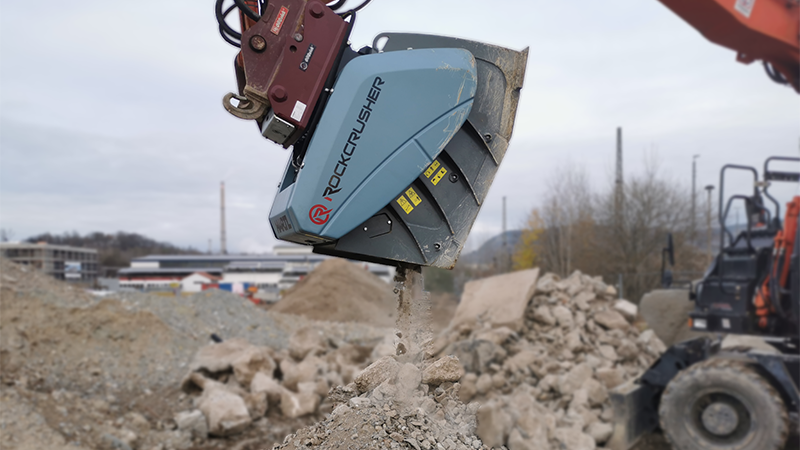
Every demolition job leaves behind piles of concrete, rock, and rubble. Hauling it away costs time and money, and often wastes material that could be reused.
A concrete rock crusher or rockcrusher attachment solves this by crushing debris on-site into smaller, usable pieces. It cuts disposal costs, keeps the job site cleaner, and turns waste into something valuable.
In this guide, we’ll show how crushers work, which type is right for your project, and how to make the most of every load.
Key Takeaways
- A concrete rock crusher cuts disposal costs, keeps the job site cleaner, and creates material you can reuse or sell.
- The right crusher, whether jaw, impact, cone, or attachment, makes demolition and recycling projects faster and more cost-effective.
- On-site crushing is more than cleanup; it helps contractors reduce waste, improve efficiency, and get more value from every job.
Why Concrete and Rock Crushers Matter on the Job Site
When demolition gets messy, a concrete rock crusher helps turn that chaos into productivity. These powerful machines and attachments, like the Rockcrusher, make it possible to break down concrete, asphalt, rock, and other materials right where the work is happening.
Instead of wasting time and money hauling heavy debris off-site, you can crush it on-site into smaller, usable material. That means:
- Less waste
- Lower disposal costs
- Cleaner job sites
- Reusable material for backfill, gravel driveways, or new construction
Whether you’re working on residential tear-downs or large commercial demos, crushing makes the job site safer, faster, and far more efficient.
What Does a Concrete Rock Crusher Actually Do?
A concrete crusher processes large pieces of debris, like slabs, blocks, and stone, into crushed material that’s easier to move, reuse, or recycle. That’s a big win for anyone dealing with bulk demolition.
Here’s how it helps:
- Reduces transportation needs (and fuel costs)
- Minimizes disposal trips
- Creates usable material on the spot
- Supports recycling efforts by converting waste into something useful
Some crushers are mobile machines; others are attachments that connect to your excavator or carrier. Either way, the process is the same: feed in big, bulky material, and crush it into manageable, usable output.
And yes, depending on your setup, you can sell the crushed material for profit or reuse it to reduce your next load of purchased aggregate.
Types of Crushers and What They’re Best At
Not all crushers work the same way. Choosing the right one affects everything from how fast you finish the job to how much crushed material you can reuse or sell. Here’s a breakdown of the most common types and what they’re good for.
Jaw crusher
A jaw crusher uses compressive force between two plates to break down material. One jaw stays still while the other moves back and forth.
It’s ideal for dense, heavy materials like concrete with rebar, stone, and block. This type is tough and handles mixed debris well. They are most commonly used as a primary crusher to take on the largest pieces first.
Impact crusher
An impact crusher throws material against internal plates using high-speed rotors. This shattering process creates smaller, more uniform pieces.
It works best with softer materials like asphalt, brick, or clean concrete without metal. It produces a finer output and has a higher reduction ratio. However, it’s not recommended for very hard or abrasive materials, which can wear it down quickly.
Cone crusher
A cone crusher crushes material between a spinning cone and a fixed outer surface. It’s excellent for reducing medium to hard rock.
Cone crushers are often used as secondary crushers after the primary material has already been broken down. They’re known for producing consistent, well-shaped output, especially important for projects needing specific material sizes.
Gyratory and roller crushers
Gyratory crushers are similar to cone crushers but are more common in large-scale aggregate production, not demolition.
Roller crushers compress material between two cylinders and work well for fine material. They're not suitable for concrete with rebar or hard rock, as they’re not built to handle abrasive or reinforced material.
Choosing the Right Crusher for Your Project
Finding the best concrete crusher for your site depends on what you're working with and what you're aiming to produce.
Know your material
Is it solid concrete with rebar? Clean rock? Asphalt? Brick?
- Use a jaw crusher if you're crushing dense concrete with embedded steel
- An impact crusher works well for softer materials
- A cone crusher helps you achieve fine output with harder aggregates
Match the output size to your needs
Do you need compact backfill? Or fine aggregate for resale?
Adjustable settings on your crusher help control output, but some types naturally produce finer material.
Consider volume and capacity
If you're crushing heavy volumes per hour, choose a model or attachment that can keep up with your production needs without constant maintenance or resets.
Think long-term
A crusher isn’t just for one job. Look for machines with:
- Replaceable wear parts like carbide bits and jaw plates
- Low-maintenance design
- Multi-material compatibility
- Proven cost-effective performance over time
Crushing Smarter, Not Harder: On-Site Recycling Benefits
Crushing on-site with the right equipment delivers a big return in both efficiency and cost savings.
Here’s why it’s worth the effort:
- Lower disposal costs: Less hauling, less dumping
- Reduced fuel consumption: Fewer trips to and from the site
- Material reuse: Crushed concrete is perfect for backfill, pads, or gravel driveways
- Cleaner site: Crushing keeps debris piles smaller and more controlled
- Revenue potential: Crushed material can be sold as aggregate or reused on future projects
This isn't just about breaking things—it's about building a smarter process.

What Sets RockZone Americas Crushers Apart
When you're managing fast-paced demolition jobs with heavy material and tight deadlines, you need equipment that doesn’t slow you down. That’s why our Rockcrusher is built to meet the real needs of contractors—not just in testing, but on active job sites.
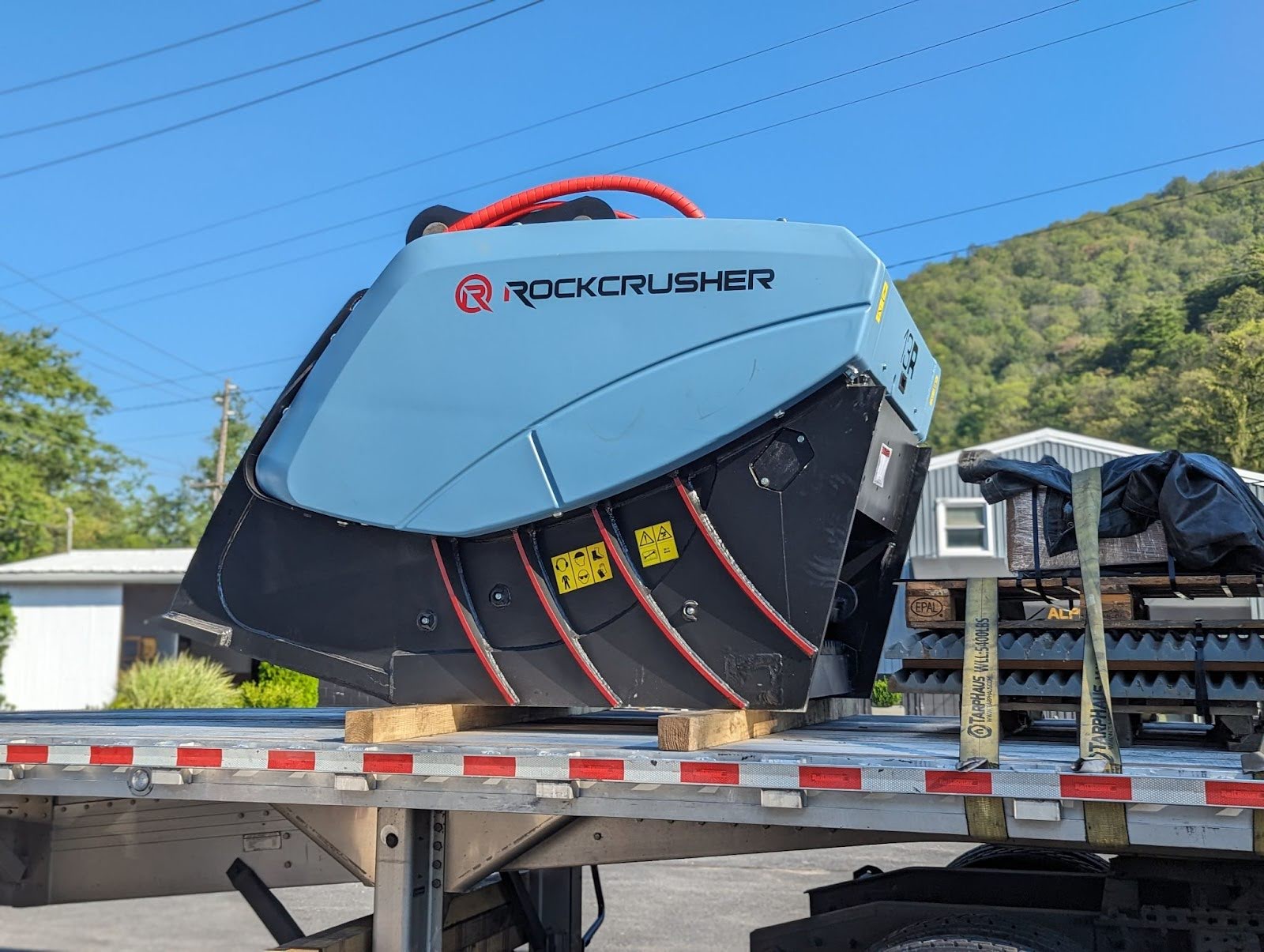
Our crushers are more than just machines. They’re easy-to-use attachments designed to mount directly to your excavator, giving you the flexibility of a mobile crusher without the added cost, size, or fuel consumption of a standalone unit.
Built to handle multiple types of material
Our Rockcrushers easily break down concrete, rock, brick, asphalt, tile, glass, and other mixed debris. Whether you're working with reinforced concrete or natural stone, this tool is designed for versatility across multiple industries and projects.
High efficiency with Quattro movement
Every Rockcrusher uses our patented Quattro movement, which delivers a fast and efficient crushing cycle.
This ensures even the toughest materials are broken down into smaller materials in fewer passes, improving production speed while helping you control output size for easier handling and consistent results.
Designed for job site flexibility
Because it’s an attachment, you don’t need extra machines to move or operate it. You can crush concrete, stone, and other material right where you’re working, saving time, reducing trips, and lowering your fuel costs. It’s compact, powerful, and ideal for sites with limited access or space.
Built to last and easy to maintain
Each unit is built with replaceable carbide bits, cheek plates, and other wear parts designed for high-impact use. These components are easy to maintain and replace directly on-site, minimizing downtime and extending the life of the tool. It's built to meet the demands of long shifts and tough environments without missing a beat.
A cost-effective solution that delivers
With a Rockcrusher, you get high efficiency, less manual handling, and fewer trips to the dump, all of which lead to real cost savings. It’s a smart way to make more money from every job by reducing fuel, time, and disposal costs while increasing what you can reuse or sell.
If you're looking for a crusher that can keep up with demanding conditions and simplify your recycling and crushing process, our team at RockZone Americas is ready to help. Whether you're focused on reducing dust, meeting production expectations, or getting more done with fewer tools, this is the attachment that delivers.
Ready to Crush It? Let’s Talk
You’ve got debris to clear, deadlines to meet, and equipment decisions to make. We’re here to help.
At RockZone Americas, we’ll match you with the right solution, whether that’s a rockcrusher attachment, a mobile setup, or a plan that integrates easily with your existing equipment.
Need more than a crusher? We also offer drum cutters for precision excavation and screening buckets to sort material on-site. All of our tools are designed for versatility, efficiency, and real job site performance.
If you’re ready to crush concrete, streamline your workflow, and get more done with fewer machines, our team is ready to help.
Let’s find the right fit for your next project. Reach out to RockZone Americas today.
Conclusion
When it comes to demolition and construction, crushing isn’t optional anymore. It’s essential.
A concrete rock crusher helps reduce waste, cut disposal costs, and turn heavy debris into valuable material you can reuse, sell, or move more efficiently. Whether you're using jaw crushers, impact crushers, cone crushers, or crusher attachments, the right tool can change how your entire project runs.
Crushing doesn’t just clean up the site. It adds value.
Frequently Asked Questions
Can a concrete crusher crush rock?
Yes. Many concrete crushers, especially jaw crushers, impact crushers, and cone crushers, can crush rock as well as concrete. If you’re working with hard stone or mixed debris, choose a machine designed for both materials, like the Rockcrusher attachment, which handles concrete, brick, and rock on the same site.
What type of crusher is best for concrete?
For dense or reinforced concrete, a jaw crusher is often best. It handles heavy debris and rebar with ease. For cleaner concrete or a finer finish, an impact crusher works well, while a cone crusher is ideal for hard material and consistent sizing as a secondary crusher.
What is a concrete crusher used for?
A concrete crusher breaks large slabs or blocks into smaller material that’s easier to handle, reuse, or haul. Contractors use them to reduce waste, cut disposal costs, and create aggregate for backfill, base material, or other construction and recycling needs.