
Why Topsoil Excavation Matters Before You Build
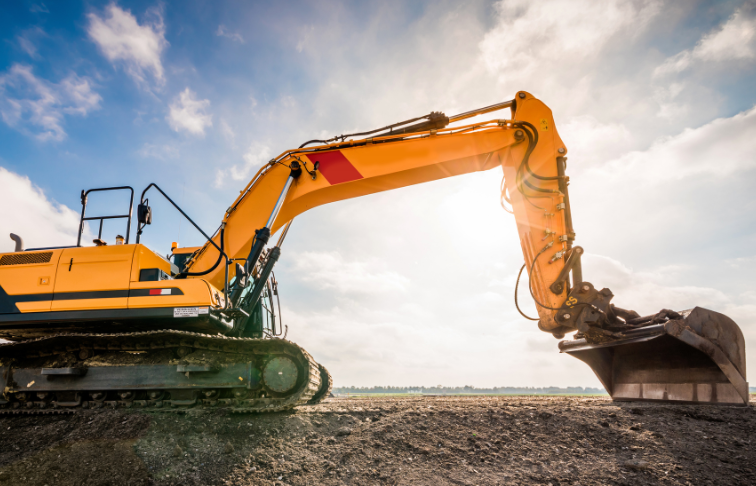
In construction projects, what happens at the surface shapes everything that follows. Topsoil excavation may not get much attention, but it should.
At RockZone Americas, we’ve seen how properly preparing the top layer can determine a project’s success. From large construction sites to driveways and future construction, topsoil excavation sets the standard for efficiency, safety, and quality from day one.
This isn’t just about removing soil. It’s about reading the land and using the right machines and methods to create ground that’s truly ready to build on. If you’ve ever questioned the difference between topsoil excavation and earthworks excavation—or the cost of cutting corners—this breakdown will clear it up.
Key Takeaways
- Topsoil excavation is the first critical step in creating a stable foundation for any construction project.
- Proper surface preparation prevents drainage issues, erosion, and costly delays later on.
- The right equipment and planning turn topsoil removal into a smoother, more efficient build from start to finish.
What Is Topsoil Excavation?
Topsoil excavation is the controlled removal of the top layer of soil from a site before construction or further excavation begins. This surface layer contains vegetation and organic materials that are valuable for landscaping but unsuitable for supporting structures.
Unlike earthworks excavation, which cuts deeper into the earth, topsoil excavation involves shallower excavations focused on surface preparation. The required depth depends on location and soil conditions, but the goal stays the same: remove unstable material and expose ground capable of supporting a stable foundation.
As part of broader operations related to site preparation, this phase prepares the site for rock excavation, drainage, demolition, and other groundwork. It also helps reduce confusion that revolves around where surface removal ends and deeper earthworks begin.
In simple terms, it prepares the ground for safe, efficient building.
Why Remove Topsoil Before Construction?
Topsoil may look firm, but its organic content makes it compressible and unreliable. For construction projects, proper topsoil removal is essential.
Create a stable foundation
Topsoil breaks down over time, causing uneven settlement. Removing this layer exposes compactable subsoil that can be shaped into level ground and prepared for a reliable foundation.
Improve drainage and reduce erosion
Surface soil holds moisture, which can lead to drainage issues beneath structures. Removing it allows proper grading and drainage installation, helping control erosion and protect the site.
Identify hidden obstructions
Topsoil removal often reveals rocks, pipes, debris, or waste that would otherwise remain hidden. Identifying these obstructions early prevents delays and supports safer excavation.
Support preparing soil suitable for building
Separating topsoil from other materials preserves soil quality and improves efficiency. Proper handling allows stockpiling for later landscaping use while keeping the site organized for the next construction phase.
Topsoil excavation is a focused process that supports groundwork, protects materials, and prepares the site for deeper earthworks excavation and the phases that follow.
Benefits of Proper Topsoil Excavation
When done correctly, topsoil excavation delivers benefits that extend far beyond the early stages of a project.
Reduced erosion risk
Exposed soil is vulnerable to erosion from wind and water. By stripping and stockpiling topsoil correctly, erosion is controlled, and valuable soil resources are protected. This is especially important on large construction sites and sloped land.
Improved drainage
Removing the top layer allows crews to shape level ground and install drainage systems that actually work. Proper drainage reduces pooling, protects structures, and keeps construction moving even in wet conditions.
Clear identification of obstructions
Topsoil excavation makes hidden obstructions visible. Rocks, roots, buried debris, and old infrastructure can be identified and addressed before they interfere with further excavation or building.
Cleaner material separation
Separating topsoil from other materials prevents contamination. Keeping organic soil away from subsoil, rock, and demolition debris preserves its quality for later use.
Better project efficiency
When topsoil excavation is done early and precisely, every phase that follows—earthworks, rock removal, laying foundations, and installing utilities—becomes smoother and more predictable.
How the Topsoil Excavation Process Works
A successful topsoil excavation follows a structured process designed to protect the site, the soil, and the people working on it.
Site evaluation and planning
Every project begins with knowledge. Soil type, depth of topsoil, drainage patterns, and existing structures are identified. This step ensures the excavation process is tailored to the site’s specific needs.
Marking and protection
Sensitive areas such as vegetation, utilities, and protected zones are clearly marked. Pipes, roots, and nearby structures are safeguarded before machines ever touch the ground.
Mechanical removal
Using an excavator or other light, precise machines, operators remove the top layer carefully. The goal is consistency—removing only what’s necessary without disturbing deeper soil layers.
Stockpiling and transport
Topsoil is typically stockpiled in designated areas or transported off-site. Stockpiles are managed to prevent compaction, erosion, and contamination with other materials.
Ground preparation
Once the topsoil is removed, the exposed ground is leveled and prepared for the next phase, whether that involves earthworks excavation, rock excavation, or foundation installation.
This process ensures the site is ready for construction without unnecessary delays or rework.
Tools and Equipment That Get the Job Done
Topsoil excavation may be shallow, but that doesn’t mean it’s simple. It requires machines designed specifically for precision and control.
Lightweight excavators equipped with the right bucket allow operators to remove soil evenly without gouging deeper layers. Precision matters here—over-excavating can lead to unnecessary fill requirements, while under-excavating leaves unstable material behind.
Efficiency also depends on visibility and control. Operators need clear sightlines to maintain a consistent depth and avoid damaging protected areas. Modern machines prioritize safety, comfort, and accuracy, allowing crews to operate longer and more effectively.
Choosing the right equipment is part of equipping oneself for success. The right machine can carry material efficiently, operate smoothly across uneven ground, and adapt to different site conditions without sacrificing quality.
Topsoil Excavation vs. Earthworks Excavation
One of the biggest areas where much confusion exists is the difference between topsoil excavation and earthworks excavation. While the two are related, they serve very different purposes.
Topsoil excavation focuses on surface-level removal. It involves shallower excavations and is primarily concerned with vegetation, organic material, and preparing the site.
Earthworks excavation involves deeper cuts into the land. This phase may include reshaping terrain, removing large volumes of soil, and preparing for foundations, roads, or utilities.
Earthworks excavation often leads directly into rock excavation or further excavation as depth increases.
The confusion revolves around the fact that both types of excavation cover large areas of ground. However, the depth, intent, and materials involved are very different. Topsoil excavation is the groundwork that makes earthworks possible.
Best Practices to Avoid Costly Mistakes
Even experienced teams can run into trouble if best practices aren’t followed.
Mixing topsoil with other materials is a common mistake. Once contaminated with rock, debris, or waste, topsoil loses its value and becomes harder to manage.
Compaction is another issue. Driving heavy machines over stockpiled soil reduces aeration and degrades quality. Stockpiles should be placed in protected locations and kept at manageable heights.
Weather also plays a role. Excavating when soil is too wet can smear layers and damage structure. Too dry, and dust becomes a safety and visibility issue. Timing matters.
Finally, coordination is essential. Topsoil excavation should align with demolition, rock removal, and construction schedules to avoid repeated handling and unnecessary transport.
Real-World Applications of Topsoil Excavation
Topsoil excavation isn’t limited to large commercial projects. It plays a role in many everyday construction scenarios.
For driveways, removing topsoil ensures a level base that won’t shift under vehicle traffic.
For building pads and foundations, it creates a uniform surface capable of supporting structural loads.
In landscaping projects, preserved topsoil can be reused after construction, improving soil quality and reducing costs.
In utility installations, topsoil excavation exposes pipes and service corridors safely, making further operations more precise and efficient.
Each example highlights how essential this phase is across different types of projects.
Why Trust RockZone Americas Equipment on the Job
Construction projects require more than raw digging power. From topsoil removal to laying foundations, each phase of construction depends on precision and reliable equipment.
At RockZone Americas, we equip contractors with purpose-built excavator attachments for demanding job sites. Whether preparing soil suitable for future construction or processing tough materials, the right equipment are essential.
Our Rockwheel drum cutters deliver accurate trenching and profiling. Rockcrusher crusher buckets process rock and concrete on site. Rockscreener screening buckets separate materials efficiently, and the Rocksorter sorting bucket provides controlled material handling. Each attachment integrates seamlessly with your excavator to keep projects moving.
Efficiency, durability, and safety are typically what keep construction projects on schedule.
Planning upcoming work? Call RockZone Americas and put the right attachments to work.
Conclusion
Topsoil excavation may be the first step in construction, but its impact lasts throughout the life of a project. By removing the top layer properly, teams create a stable foundation, improve drainage, reduce erosion, and set the stage for everything that follows.
Whether you’re preparing land for future construction, managing large construction projects, or tackling specialized excavation work, this phase deserves careful planning and the right equipment.
Frequently Asked Questions
What are the three types of excavation?
The three main types of excavation in construction projects are:
1. Topsoil excavation: Removes the upper soil layer to prepare for building and create a stable foundation.
2. Earthworks excavation: Reshapes land at greater depth for roads, structures, and utilities.
3. Rock excavation: Breaks and removes solid rock when bedrock is present on site.
Each type serves a different purpose in the overall construction process.
What is the 5-4-3-2-1 rule of excavation?
The 5-4-3-2-1 rule is a general excavation safety guideline used to help prevent trench collapse. It relates to safe slope ratios and keeping equipment and materials a safe distance from trench edges.
Because safety regulations vary by location, contractors should always follow local excavation standards and soil requirements.
How much is excavation per hour?
Excavation costs typically range from $100 to $300 per hour, depending on equipment size, soil conditions, depth, and project complexity.
Rates increase for specialized work such as rock excavation. Exact pricing depends on site conditions and project scope.