
Rock Crusher Attachment for Skid Steers: Everything You Need to Know
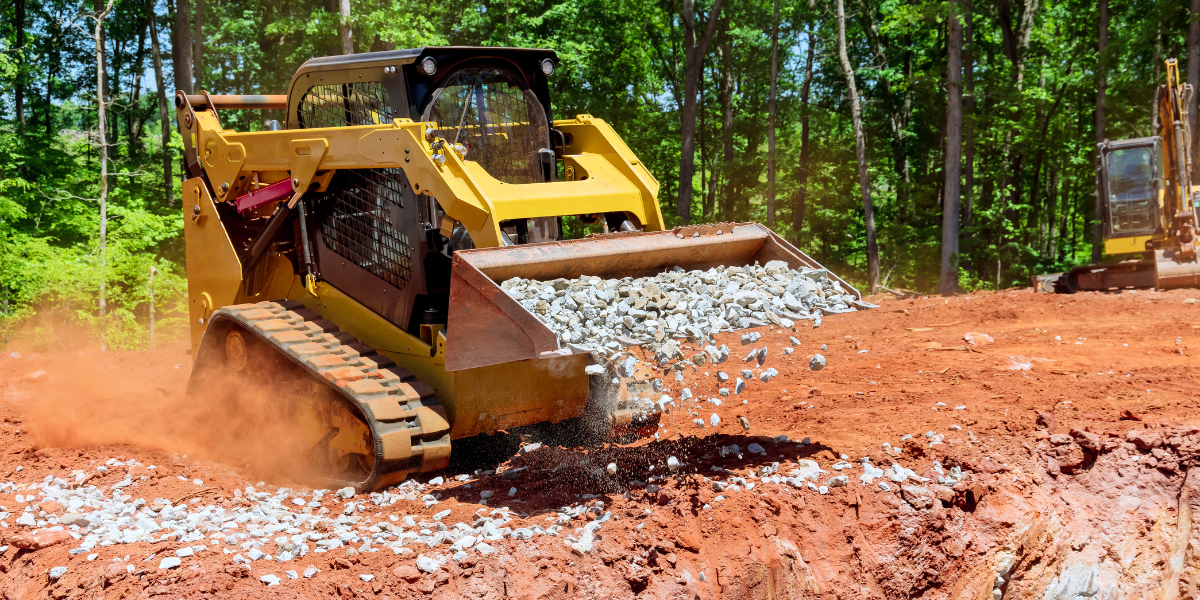
Anyone who has worked a job site knows the frustration of dealing with piles of rocks, stone, brick block, or broken concrete. Hauling those heavy site materials away eats into your coverage, increases disposal costs, and slows down progress.
A rock crusher attachment for skid steers changes that completely. Instead of treating debris as waste, you crush it right on-site into smaller material that’s easier to handle, reuse, or sell. That’s not just convenient—it’s a direct path to greater efficiency and lower operating costs.
Modern attachments like the Rockcrusher are heavy-duty, compact, and built to work efficiently, handling everything from stone and brick to non-reinforced concrete, asphalt, and block.
If you want a cleaner, more productive site without endless hauling, keep reading—because this tool could be the solution you’ve been looking for.
Key Takeaways
- Stop paying to haul waste when you can crush it into value on-site.
- The right attachment makes your skid steer capable of handling concrete, stone, brick, and asphalt with ease.
- Smarter crushing means cleaner sites, lower costs, and faster progress on every job.
What Is a Rock Crusher Attachment for Skid Steers?
A rock crusher attachment is exactly what it sounds like: a tool that connects to your skid steer and transforms it into a stone crusher. Instead of investing in a separate dedicated machine, you can use the equipment you already own with the right attachment.
Here’s a simple description:
- It mounts to the skid using standard couplers.
- It connects to the machine’s hydraulic system, using that force to power a rotor or jaw system.
- Material like brick block, stone, or unreinforced concrete is fed into the attachment, crushed, and processed into smaller output in a single pass.
Think of it as adding new capability to your existing fleet. It’s perfect for contractors who want a cost-effective, reliable solution without investing in larger standalone crushers.
How a Skid Steer Rock Crusher Works
The process is straightforward but powerful. Once mounted, the attachment uses your skid steer’s hydraulic flow to power the crushing mechanism. Depending on the manufacturer and model, this may involve rotating teeth, a jaw plate system, or hardened bits.
Here’s what happens step by step:
- Feed the material: Rocks, brick, block, or concrete is loaded into the crusher.
- Apply force: The hydraulic system drives the rotor or jaw, crushing material against cheek plates or hardened surfaces.
- Break down to size: The material is processed into smaller pieces that meet your job’s requirements.
- Output and reuse: The crushed material is ready for backfill, new base layers, or even resale.
A typical working width ranges from medium to wide, depending on the attachment, ensuring you can crush a useful quantity of material per hour. The end result is more progress per pass and fewer delays waiting for hauling trucks.
Benefits of Using a Rock Crusher Attachment
A rock crusher attachment for skid steers brings a range of advantages that go beyond basic site cleanup.
Efficiency
With the right attachment, a skid steer can act as a concrete crusher or stone crusher on demand. You can handle site materials immediately instead of waiting for hauling or outside crushing services, keeping projects moving without delay.
Cost savings
Crushing on-site reduces disposal costs and the need to purchase new aggregate. By processing concrete, asphalt, block, and stone directly where you’re working, you cut expenses on both hauling and material supply, saving your business time and money.
Waste reduction
Attachments like the Rockcrusher keep valuable material in circulation. It processes non-reinforced concrete, brick block, and other debris into smaller, usable sizes. Instead of leaving waste behind, you create material that can be reused on-site or repurposed for other applications.
Accessibility
Because these tools mount directly to a skid, they go where larger machines cannot. They’re perfect for urban projects, smaller jobs, or areas with limited shipping access. Compact, heavy-duty builds ensure they perform reliably even in tight or hard-to-reach spaces.
Versatility
From unreinforced concrete and brick block to stone, asphalt, and mixed debris, one attachment covers multiple applications. That versatility makes it a smart, long-term solution for contractors managing varied project types.
Common Applications on the Job Site
A rock crusher attachment for skid steers is a powerful tool with wide-ranging applications across industries, helping contractors complete jobs faster and more efficiently.
So where do these attachments really shine? Here are some applications that contractors rely on every day:
Land clearing: Break down rocks, stone, and concrete to create a clean, workable area for new projects.
Agriculture: Prepare fields by crushing stone or debris into soil-friendly sizes. This makes planting easier and keeps equipment from being damaged.
Road building and maintenance: Process asphalt or stone into a stable base for new paths and roadways. Contractors can handle the required quantity of material per hour with consistent results.
Construction projects: Use the attachment as a concrete crusher or stone crusher to process unreinforced concrete, brick block, or standard items into fill or base material.
Demolition recycling: Turn piles of site materials into smaller, reusable aggregate. By crushing debris on-site, you save on hauling and reduce disposal costs.
Tight access jobs: Because they mount directly to a skid steer, these attachments are perfect for limited-space sites where larger machines or mobile crushers can’t reach.
Choosing the Right Rock Crusher Attachment
Not every job calls for the same setup. Selecting the right product ensures you get the efficiency and performance your business needs.
Know your material
The right attachment depends on what you are crushing. If you are working with concrete that contains rebar, you’ll need a model built with hardened breaker parts and durable cheek plates to handle the extra strain.
For jobs involving brick block or stone, a standard unit is often sufficient. When the material is asphalt or block, it’s best to choose a crusher designed for medium-hardness applications to ensure consistent performance.
Check hydraulic requirements
Always confirm that the attachment’s flow and pressure specs match your skid steer. This ensures smooth operation, avoids downtime, and protects the machine.
Output size and working width
Think about the size you need from your material. Some attachments include adjustable settings to achieve finer or coarser results. The working width and rotor diameter directly affect how much you can crush per hour.
Durability and maintenance
Choose a manufacturer that designs with replaceable parts, like wear bits, hardened teeth, and cheek plates. Being able to find and check these parts easily will keep your attachment running for years.
Fit for your business
Factor in your workload, project types, and budget. Attachments like the Rockcrusher are built heavy duty and designed to be a long-term solution that integrates seamlessly into your fleet.
Skid Steer Rock Crusher vs. Other Crushing Options
How does a skid steer attachment compare to other solutions like mobile crushers, hog crushers, or a dedicated hardened breaker?
Skid steer attachments are compact, cost-effective, and well-suited for small to medium projects. They install quickly, move easily, and provide consistent impact crushing across different materials.
Mobile crushers handle larger volumes but require more space, added shipping, and a higher upfront investment.
Hog crushers are designed to recycle materials like brick and block on-site. While efficient for lighter applications, they are not always built for the same heavy-duty output as attachments like the Rockcrusher.
Hardened breakers are effective for breaking down big chunks of material but cannot process site materials into uniform aggregate.
For contractors handling multiple applications, skid steer attachments strike the balance between versatility, efficiency, and cost that single-purpose machines often lack.
RockZone Americas: Our Skid Steer Rockcrushers
At RockZone Americas, we know contractors need equipment that is capable, reliable, and built for tough jobs. Our Rockcrusher attachments turn a skid steer into a concrete crusher or stone crusher, handling stone, asphalt, brick block, and unreinforced concrete in one pass. Built heavy duty with replaceable cheek plates, they deliver efficiency and durability for years.
Contractors trust Rockcrushers for cleaner sites, reduced hauling, and faster results. The patented Quattro movement ensures consistent crushing every pass, making them a smart fit for multiple applications.
We also supply drum cutters and screening buckets to give your business versatile tools for any job.
Want the right attachment for your next job? Call RockZone Americas today.
Conclusion
A rock crusher attachment for skid steers makes job sites more efficient by crushing concrete, stone, asphalt, brick, and block into usable aggregate on-site. This reduces hauling, lowers disposal costs, and keeps projects moving.
From hog crushers that handle brick to RockZone’s Rockcrusher built heavy duty with replaceable parts, these attachments give contractors a capable, long-term solution for cleaner, faster, and more cost-effective work.
Frequently Asked Questions
Can a skid steer be used as a concrete crusher?
Yes. When paired with the right attachment, a skid steer becomes an effective concrete crusher. These attachments are designed to crush non-reinforced concrete into smaller, usable aggregate directly on-site, which cuts down on hauling and disposal costs.
How does a stone crusher attachment help on a skid steer?
A stone crusher attachment allows a skid steer to process rock, concrete, and debris into consistent sizes. This makes site materials easier to reuse, reduces waste, and provides contractors with a cost-effective way to keep projects moving.
What can a hog crusher handle on the job site?
A hog crusher handles brick, block, and similar masonry materials effectively. It is best suited for lighter recycling applications. For tougher materials like concrete, stone, or asphalt, contractors typically turn to heavier-duty options such as the Rockcrusher.