
Concrete Crusher Guide: Types, Benefits, and How RockZone Can Help
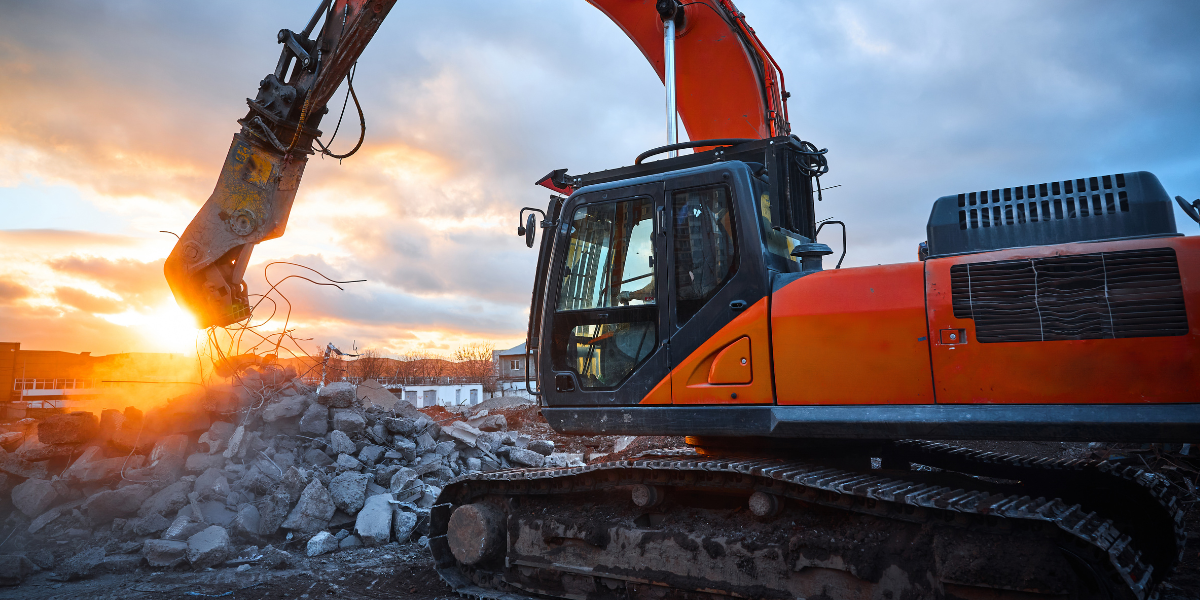
Every demolition or rock excavation project comes with the same challenge: piles of leftover concrete. Hauling and disposing of this waste material drains time, fuel, and money while adding to environmental impact.
A concrete crusher changes that. These machines turn broken concrete, block, stone, and asphalt into reusable aggregate for backfill, gravel driveways, or new construction. With the right crusher, your excavator or skid steer becomes more than a digging tool. It keeps the job site cleaner and puts waste material to work.
In this guide, we’ll look at what concrete crushers do, their key benefits, the types available, and how the right machine can save money while improving results on every project.
Key Takeaways
- A concrete crusher turns waste into value, helping contractors save time, money, and resources on every job.
- Crushing concrete on-site keeps projects cleaner, more efficient, and environmentally responsible.
- With the right equipment, you can turn demolition debris into high-quality aggregate ready for reuse or resale.
What Is a Concrete Crusher?
A concrete crusher is a heavy-duty attachment or machine designed to reduce large chunks of concrete into smaller, more manageable sizes. Instead of treating concrete as waste material, crushers give contractors the ability to recycle and reuse it.
Concrete crushers can:
- Break down reinforced concrete, block, or brick into gravel or fill.
- Handle rebar and mixed materials with the right configuration.
- Produce consistent aggregate sizes for construction or landscaping projects.
They’re widely used in construction, demolition, mining, and recycling industries. Whether mounted to a stationary setup or paired with an excavator for on-site operation, crushers deliver the power and versatility to turn debris into something usable.
Key Benefits of Using a Concrete Crusher
Concrete crushers aren’t just about breaking down material. They bring a range of key benefits that can reshape the way a job site operates.
- Lower disposal costs: Instead of paying to haul concrete to a landfill, crushing concrete on-site reduces hauling and dumping fees.
- Make more money from materials: Crushed concrete can be reused for driveways, backfill, or sold as aggregate, giving contractors a way to put money back into the project.
- Job site cleaner: A crusher helps keep the site organized by processing debris into usable material instead of leaving piles of rubble.
- Single machine efficiency: With the right crusher attachment, one excavator can dig, load, and crush concrete, cutting down on the need for multiple machines.
- Environmental benefits: Recycling reduces waste and limits the need for quarrying new stone, lowering the project’s carbon footprint.
Types of Concrete Crushers
The best concrete crusher depends on your material, project scope, and desired end product. Each type has unique strengths for turning concrete and debris into usable aggregate.
Jaw crusher
A jaw crusher uses two plates, one fixed and one moving, to crush material under pressure. It’s ideal for primary crushing, handling large chunks of concrete, stone, or block. Durable and simple to maintain, it’s a reliable choice for tough materials.
Impact crusher
An impact crusher uses rotating hammers or blow bars to break concrete into smaller, uniform pieces. It’s effective for recycling and demolition projects, handling rebar and mixed materials easily while producing consistent aggregate.
Cone crusher
The cone crusher grinds material between a spinning cone and an outer mantle. Often used as a secondary crusher, it produces fine, uniform results suitable for backfill, gravel driveways, and road base.
Gyratory crusher
A gyratory crusher works like a larger version of a cone crusher and is built for high-capacity operations. It efficiently handles large volumes and delivers uniform material, making it common in mining and large-scale aggregate production.
Roller crusher
A roller crusher compresses material between two rotating cylinders. It’s best for softer materials like brick or block and produces fine output, though it’s not suited for very hard concrete.
Hammer crusher
A hammer crusher uses hammers to crush lighter materials such as brick or small concrete pieces. It’s compact, easy to maintain, and well-suited for smaller demolition jobs.
Portable crushers
Portable concrete crushers are mounted on tracks or trailers, allowing on-site crushing that reduces hauling costs and saves time. They’re a flexible solution for contractors working across multiple job sites.
Primary vs Secondary Crushers
Concrete crushing often happens in stages.
- Primary crushers (like jaw crushers) take on large chunks and break them into smaller pieces.
- Secondary crushers (like cone or impact crushers) refine the material, producing the final aggregate or backfill size.
Using the right combination ensures efficiency and consistent results.
Concrete Crusher Applications Across Industries
Concrete crushers are versatile tools that fit a wide range of industries:
- Demolition: Breaking down roads, foundations, and buildings into reusable aggregate.
- Recycling: Turning waste material into gravel, backfill, or new construction aggregate.
- Construction: Producing crushed stone for gravel driveways, base layers, and structural fill.
- Mining & quarrying: Crushing stone, rock, and aggregate alongside concrete.
- Specialized projects: Handling glass, asphalt, and even mixed demolition waste.
What to Consider When Choosing the Best Concrete Crusher
Not every job calls for the same crusher. Here are some factors to keep in mind:
- Project size: Large jobs may need primary and secondary crushers, while smaller sites benefit from portable units.
- Material type: Concrete with rebar requires robust machines like an impact crusher. Brick or block may need only a roller or hammer crusher.
- Desired end product: Backfill, fine gravel, or larger aggregate requires different crushing styles.
- Carrier compatibility: Make sure the attachment matches your excavator or skid steer’s weight and hydraulic system.
- Ease of maintenance: Look for features like replaceable carbide bits and systems designed to resist wear.
- Budget and ROI: The best concrete crusher is one that saves on disposal costs while producing materials you can reuse or sell.
Why RockZone Americas Is Your Crushing Partner
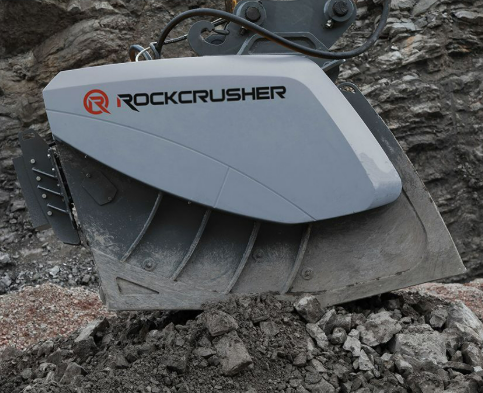
When tight schedules and concrete waste slow your progress, you need equipment that delivers. At RockZone Americas, we design crusher attachments built for power, durability, and efficiency.
Our Rockcrushers turn concrete, asphalt, and rock into reusable aggregate right on site. With reinforced components, replaceable carbide bits, and remote control options, they resist wear, cut maintenance, and keep your job site cleaner and more productive.
From jaw and impact crushers to Rockwheels, Rockscreeners, Soil Mixers, and Cutter Buckets, our full line of attachments gives contractors the versatility to crush, screen, and process materials efficiently.
Talk to our team to find the right setup for your excavator or skid steer. RockZone Americas delivers proven performance and support that keeps your projects moving.
Conclusion
A concrete crusher helps contractors save time, cut disposal costs, and create reusable aggregate on site. Jaw crushers handle primary breaking, while impact crushers refine material for consistent results. Each type supports efficient concrete recycling and cleaner job sites.
Crushing concrete on location reduces transport needs, limits waste, and improves productivity. The right equipment helps crews handle tough materials, maintain quality, and keep every project moving efficiently.
Frequently Asked Questions
How much does it cost to hire a concrete crusher?
Hiring a concrete crusher depends on machine size, rental time, and material type. Small skid steer attachments cost less, while larger crushers are priced higher.
For short jobs, renting makes sense, but frequent use often makes buying the better investment. Modern crushers with remote control and easy-to-use attachments cut labor costs and save more money over time.
What is the best way to crush concrete?
The best way to crush concrete is to start with a jaw crusher for large chunks, then use an impact crusher for finer results.
Smaller jobs benefit from portable crusher attachments on excavators or skid steers. Adding screens and conveyors improves material quality and keeps the job site clean.
What is a concrete crusher used for?
A concrete crusher breaks down concrete, stone, or debris into reusable aggregate for construction, driveways, or backfill. It reduces hauling and disposal costs while turning waste into valuable material.
These machines are durable, capable, and help contractors recycle efficiently and keep money in their pockets.