
How Soil Mixing Attachments for Excavators Improve Projects
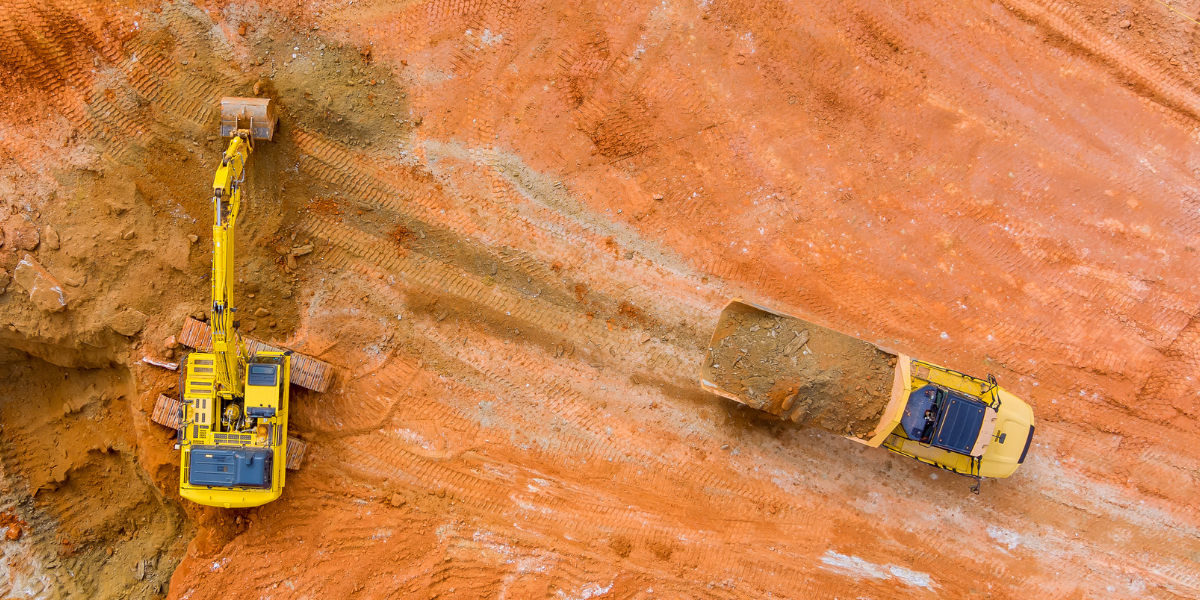
If you’ve worked a site with unstable ground or contaminated soil, you know how quickly costs and delays pile up.
What if you could handle it all in place, right from your excavator?
That’s where a soil mixer comes in. This excavator-mounted attachment turns soft, weak, or polluted ground into a stable, build-ready surface. From clay stabilization to treating dredged material, soil mixing attachments are changing the way infrastructure gets built.
In this post, we’ll cover how soil mixing attachments for excavators work, where they’re most effective, and how RockZone Americas delivers the performance contractors need.
Key Takeaways
- Soil mixing attachments for excavators make it easy to stabilize and strengthen weak or contaminated ground right on site.
- The right soil mixer saves time, cuts costs, and delivers consistent results across diverse soil and material conditions.
- With RockZone’s reliable equipment and expert support, contractors can handle complex ground improvement projects with confidence.
What Is a Soil Mixing Attachment and Why It Matters
A soil mixing attachment is a powerful hydraulic tool that mounts to a conventional excavator. It uses rotating paddles or drums to blend binders like cement or lime directly into soil, sediment, sludge, or other unstable materials.
This process is known as in-situ soil mixing. No excavation. No hauling. Just stable ground, mixed and ready, right where you need it.
Depending on the setup, mixing attachments can reach deep into the ground, inject precise amounts of stabilizing additives, and handle a wide range of materials, including:
- Clay
- Silt
- Peat
- Sediment
- Contaminated soil
- Dredged material
- Sludge
In short, it’s a high-torque, high-efficiency method for improving soil strength, structure, and environmental safety without the cleanup, hauling, or delays of traditional ground treatment.
How Soil Mixing Attachments for Excavators Work
Soil mixing is a ground improvement method that blends a binder, typically cement, lime, or other additives, into existing material such as soil, peat, silt, sludge, or sediment. The goal is to increase the stability, consistency, and load-bearing capacity of weak or contaminated ground.
Here's a breakdown of the typical mixing process:
1. Attachment installation
A soil mixing attachment is connected to the arm of a conventional excavator using standard pin mounts. It’s operated by the machine’s auxiliary hydraulic system, making installation straightforward and compatible with a wide variety of excavator models.
2. Drum or paddle rotation
Once mounted, the mixing tool uses rotating paddles or drums to cut into the ground. These components apply high torque and shear force, effectively breaking up and blending the existing soil layers in place.
3. Binder injection
Stabilizing additives are injected into the soil column through integrated delivery nozzles or ports. These substances are distributed during agitation, helping to form a uniform mix with the surrounding material.
4. Homogenization
The result is a homogeneous blend of soil and binder that offers improved stability, reduced permeability, and greater structural integrity. This process is especially valuable in areas with soft soils or contaminated sites.
5. Curing and load support
After mixing, the treated ground begins curing in situ. Depending on conditions and the binder used, the material may be ready to support construction loads or heavy equipment in as little as 24 to 48 hours.
This method is not only fast but also flexible. It can be used in a wide variety of applications, from stabilizing infrastructure sites to supporting environmental remediation efforts. Thanks to a range of available mixing widths, tool sizes, and extension options, it’s easy to tailor the setup to match specific project requirements, soil types, or depth targets.
Why Contractors Choose Soil Mixing Attachments
Soil mixing attachments for excavators are known for their speed, flexibility, and cost-efficiency. Here’s why they’re a smart choice for today’s contractors.
1. Save time on every project
Soil mixing happens in place, so there’s no need for excavation or hauling. This speeds up site prep and reduces downtime. Treated soil often supports equipment within 24 to 48 hours, helping crews stay on schedule.
2. Lower your project costs
By using on-site material, contractors avoid the cost of importing fill or paying for disposal. Fewer trucks and less fuel also mean lower operating expenses. A stable mix reduces the chance of future ground issues, keeping repair costs low.
3. Do more with one machine
A single soil mixer can handle a wide range of applications. Attachments are designed with multiple paddle layouts, extension options, and mixing widths to adapt to different ground types. This gives crews the flexibility to work with one tool across several projects.
4. Improve sustainability
Mixing systems treat and reuse existing material, keeping it out of landfills. Contaminated soil, sludge, silt, or dredged material can be stabilized in place with fewer emissions. This method supports remediation while saving time and resources.
Choosing the Right Mixer for Your Excavator
Selecting the right soil mixer depends on several factors that affect performance and project outcomes. Matching the attachment to your equipment and site conditions ensures you get the most from your investment.
Excavator size
Start by checking your excavator’s hydraulic flow and lifting capacity. The size and mixing width of the attachment must align with the machine’s power output. Over or undersizing can affect both efficiency and control during operation.
Soil type
Materials like peat, clay, and silt each react differently during the mixing process. Some require more torque or specific paddle configurations. The tool should be capable of breaking through and mixing the specific type of soil or sediment on your site.
Project goals
Different applications call for different features. If the goal is structural stabilization, depth and torque are critical. If the project involves environmental remediation of contaminated sites, precise control of additives and injection systems will matter more.
Depth and extension requirements
Sites with deeper columns may need a mixer that supports extension arms or longer stems. This allows you to reach the required depth without switching equipment or compromising on performance.
Binder compatibility
Your attachment should be compatible with the binder you plan to use, whether it's cement, lime, or another additive. The system must include reliable delivery lines and injectors that apply the material evenly throughout the soil column.
Why Soil Mixing Outperforms Traditional Ground Treatment
Traditional methods like excavation and soil replacement take more time, labor, and equipment. In-situ soil mixing simplifies the process by using a single soil mixing attachment operated from a conventional excavator, reducing the need for hauling and disposal.
Treated material often supports construction within 24 to 48 hours, cutting project delays. The system reuses existing soil, sludge, or sediment, helping contractors lower fuel use and minimize waste.
The process also produces a more homogeneous and stable mix. By blending binder and additives directly into the ground, soil mixing offers reliable results across a variety of applications, from environmental remediation to infrastructure support.
Features That Make RockZone Soil Mixers Stand Out
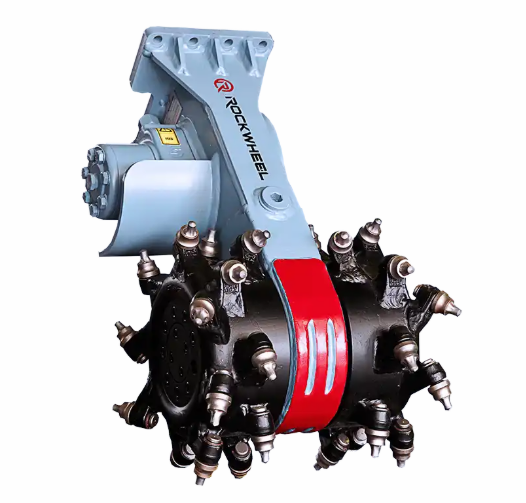
RockZone’s MXR, AX, and DAX soil mixer models are built for high-demand in situ and ex situ mixing applications. They combine strength, precision, and adaptability to meet a wide range of jobsite needs.
Powerful mixing performance
Each model is equipped with a heavy-duty mixing head and high-torque hydraulic motor, capable of cutting through sludge, soil, and even compacted materials. Direct-drive transmission supports reliable mixing, even under extreme conditions.
Customizable drum and paddle configurations
Mixing paddle layout and drum size can be tailored to match your project requirements. This allows the system to adapt to different materials, from loose peat to dense dredged material, while maintaining efficiency.
Depth extension options
Optional extension booms increase penetration depth, allowing mixers to handle deep remediation and stabilization without compromising performance.
Integrated amendment injection systems
Models can include wet or dry feed piping to deliver additives or binders precisely during the mixing process, improving distribution and reducing the amount of material required.
Advanced mixing technology
Features like CNC-milled water bars, dual water bar attachments, and ribbon-style material flow support more consistent, homogeneous results across various soil types.
Durable, jobsite-ready construction
Built on a reinforced Rockwheel chassis, these attachments feature sealed housings and are designed to withstand abrasion, submerged operation, and high-load conditions across diverse environments.
Scalable and carrier-compatible
RockZone offers eight MXR models and custom AX and DAX versions, compatible with carriers from under 3 tons to over 75 tons. Each model is optimized for size, torque, and hydraulic flow, ensuring maximum production.
Why RockZone Americas is Your Soil Mixing Partner
Difficult ground conditions and tight timelines can slow progress on any job. RockZone Americas provides powerful, reliable hydraulic attachments that help contractors work faster and more efficiently.
Our soil mixers are engineered for in situ and ex situ treatment, delivering strength and precision for soil stabilization, sludge solidification, and dredged material processing. The MXR Twin Drum Mixer, AX Series, and Double AX Mixer provide the torque and control needed for demanding projects.
We also offer a full range of equipment, including Rockwheels, Rockcrushers, Rockscreeners, Rocksorters, and Cutter Buckets, all designed for durability and performance in tough environments.
Our team is ready to support your next project with dependable tools, expert service, and practical solutions. Contact us today to learn more or request a quote.
Conclusion
Soil mixing attachments for excavators have become an essential tool for stabilizing, strengthening, and reclaiming weak or contaminated ground. They allow contractors to mix in place, adapt to different soil conditions, and manage binders and additives efficiently.
By combining power, precision, and versatility, modern soil mixers make it possible to complete complex ground improvement and remediation projects faster and more reliably than ever before.
Frequently Asked Questions
How does the mixing process work in soil stabilization?
The mixing process blends binders like cement or lime into existing soil using a hydraulic attachment on an excavator. As the paddles rotate, they mix the materials in place, creating a stronger, more stable layer. This method eliminates excavation and hauling, making it faster and more cost-effective for ground improvement.
What materials can a soil mixer handle?
RockZone soil mixers work with clay, silt, peat, sludge, and dredged material. They’re also effective for treating contaminated ground. Adjustable paddles and torque settings ensure consistent results across different soil conditions.
When should soil mixing attachments be used?
These attachments are ideal for projects with weak or contaminated ground where excavation would be slow or expensive. They’re commonly used for foundation stabilization, slope support, and remediation work, strengthening the soil directly in place.